
Clinically reviewed by Dr. Ponlawat Pitsuwan, Physician, Doctor Bangkok.
Last reviewed: October 2026
When you stop a GLP-1 receptor agonist like semaglutide, appetite usually returns within one to two weeks as the drug clears your system. Extension trial data shows most people regain a significant portion of lost weight within a year of stopping, though this is not inevitable. Planning your exit with a clinician, building sustainable eating habits, and monitoring your metabolic markers gives you the best chance of keeping the weight off.
You have decided to stop. Maybe the cost got too high, maybe you hit your goal, or maybe you are leaving Bangkok and your supply situation is about to change. Whatever the reason, the question is the same: what happens now?
The honest answer is that stopping a GLP-1 receptor agonist, the class that includes semaglutide (Ozempic, Wegovy) and tirzepatide (Mounjaro), usually brings appetite back, and often quickly. That does not mean weight regain is automatic. But it does mean you need a plan, not just a last injection.

Why Appetite Often Returns After Stopping GLP-1
While you are on these medications, your hunger signals are quieter. Portions feel satisfying. The constant background preoccupation with food fades. When the drug leaves your system, those signals come back.
Some patients describe rebound hunger as feeling stronger than before they started. This is not weakness or failure. Your brain’s appetite regulation was being supported by the medication. Remove that support, and the system reasserts itself.
Appetite suppression typically starts to fade within one to two weeks of your last dose as drug concentration drops. If you noticed heightened food preoccupation within days of missing a dose, expect the same pattern after stopping entirely. Knowing this in advance means you can prepare rather than be caught off guard.
What Studies Suggest About Weight Regain After Stopping GLP-1
The STEP 1 extension trial followed patients who completed a semaglutide treatment period and then stopped. By one year after stopping, participants had regained a substantial portion of the weight they had lost. Many of the metabolic benefits, including improvements in blood pressure and blood sugar, also reversed. This is a clinical reality worth knowing before your last injection.
Your body defends a weight range it considers normal. GLP-1 medications shift what feels like enough food to maintain a lower weight. Once the medication stops, that defended range can pull you back. The degree to which this happens varies by person, by how long you were on treatment, and critically, by what habits you built during treatment.
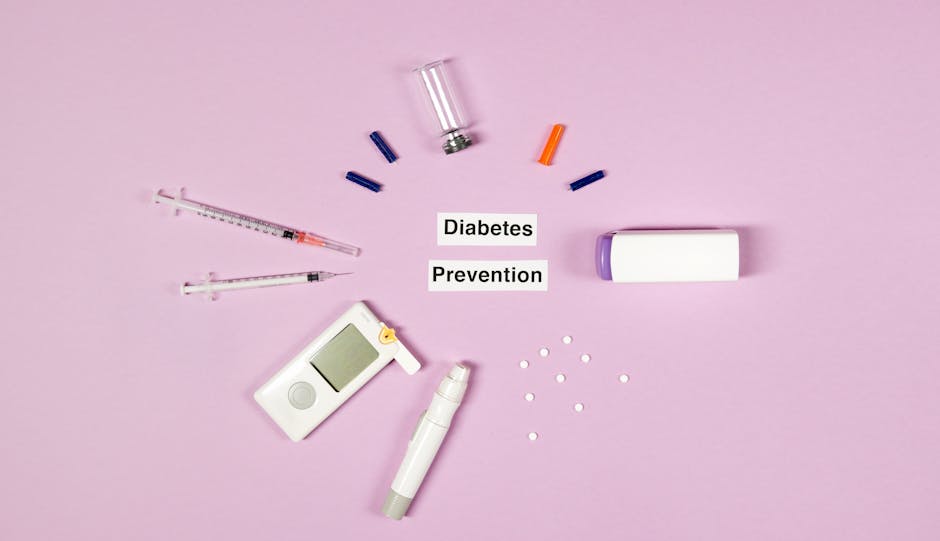
Blood pressure and HbA1c, your three-month blood sugar average, are worth monitoring after stopping. This is particularly relevant if you have prediabetes or type 2 diabetes. The STEP 1 extension data showed HbA1c climbed after treatment ended. If your doctor started you on a GLP-1 partly for blood sugar control, do not assume those gains are permanent once you stop.
Planning an Exit With Your Clinician
Do not just stop without a plan. There is no universal taper protocol written into product labelling for the weight-loss indication, but clinical consensus supports gradual dose reduction where possible. It softens appetite rebound and may reduce the gastrointestinal discomfort that some patients notice when stopping abruptly.
In Thailand, GLP-1 injectable medications are prescription-only under Thai FDA regulations as of late 2026. Obtaining, pausing, or restarting treatment requires a licensed prescriber. If you are an expat managing your medication outside a regular GP relationship, or started through a clinic overseas and are now in Bangkok, this matters for your continuity of care.
At Doctor Bangkok, we can manage your exit plan directly: reviewing your current dose, discussing a taper if appropriate, ordering baseline bloodwork before you stop, and scheduling follow-up to catch any metabolic rebound early. If you want to understand what our weight management service covers, that page has the full detail. If you cannot reach the clinic on Sukhumvit Soi 13, our doctor hotel visit service brings a physician to your door anywhere in Bangkok within an hour, day or night.
Maintenance Habits After Stopping GLP-1 Medication
The habits you build while on GLP-1 are what carry you after. If you used the appetite suppression to practise smaller portions, eat more protein, and move more consistently, those behaviours are yours to keep. If the medication did the work while your habits stayed the same, stopping will be harder.
Protein-rich meals help here. Protein tends to promote satiety more reliably than fat, and in many studies more than carbohydrate, though the effect varies by individual and study design. Prioritising protein at each meal after stopping can partially offset rebound hunger. Preserving lean mass through resistance exercise also matters, as muscle tissue supports a higher resting metabolic rate.
Use the BMI calculator at Doctor Bangkok to track your weight trajectory after stopping. If your numbers are moving in the wrong direction within the first three months, that is the time to act. Early review with a clinician is far easier to correct than a full regain at month six.
When Restarting GLP-1 May Be the Right Choice
Stopping does not have to mean stopping forever. For some patients, GLP-1 treatment is long-term or intermittent, managed the same way blood pressure or cholesterol medication is handled. If weight regain is significant and metabolic markers are worsening, restarting is a legitimate clinical choice, not a step backwards.
Re-titration is required if you restart after a gap. You do not return to the dose you stopped at. Your prescriber will step you back through the dose escalation schedule to reduce side effects and let your system readjust. The timeline varies by medication and by how long you were off.
The decision to restart, switch to a different GLP-1, or try a different approach entirely is a clinical conversation. If you are weighing this up in Bangkok, a same-day consultation at Doctor Bangkok is the most efficient way to get a personalised answer. A full breakdown of what to expect after stopping is also available on that page.
Ready to plan your exit properly? Doctor Bangkok offers same-day consultations at our clinic on Sukhumvit Soi 13, open 24 hours. We can review your dose, arrange baseline bloodwork, and set up follow-up monitoring after you stop. Our doctor-on-call service comes to your hotel or condo anywhere in Bangkok within one hour. Visit doctorbangkok.co.th/glp-1 or contact us through the button below.
Frequently Asked Questions
Dr. Ponlawat Pitsuwan
Physician, Doctor Bangkok
a private medical clinic in central Bangkok open 24 hours, with a doctor-on-call service that comes to your hotel or condo within one hour. He sees expats, residents, and medical tourists for weight management consultations, GLP-1 treatment and discontinuation planning, and metabolic health monitoring. His focus is straightforward, evidence-based care delivered in plain language.
References
- Wilding JPH et al. Weight regain and cardiometabolic effects after withdrawal of semaglutide: The STEP 1 trial extension. Diabetes, Obesity and Metabolism, 2022;24(8):1553-1564.
- Rubino DM et al. Effect of continued weekly subcutaneous semaglutide vs placebo on weight loss maintenance in adults with overweight or obesity: the STEP 4 randomized clinical trial. JAMA, 2021;325(14):1414-1425.
- World Health Organization. Obesity and overweight fact sheet. WHO, 2024.
- Lau DCW et al. Pharmacokinetics and pharmacodynamics of semaglutide. Diabetes, Obesity and Metabolism, 2019;21(S1):9-19.
The information in this article is for educational purposes only and does not constitute medical advice. It should not be used to self-diagnose or replace a consultation with a qualified physician. If you have concerns about your health, contact a licensed medical professional. For appointments at Doctor Bangkok, visit doctorbangkok.co.th.
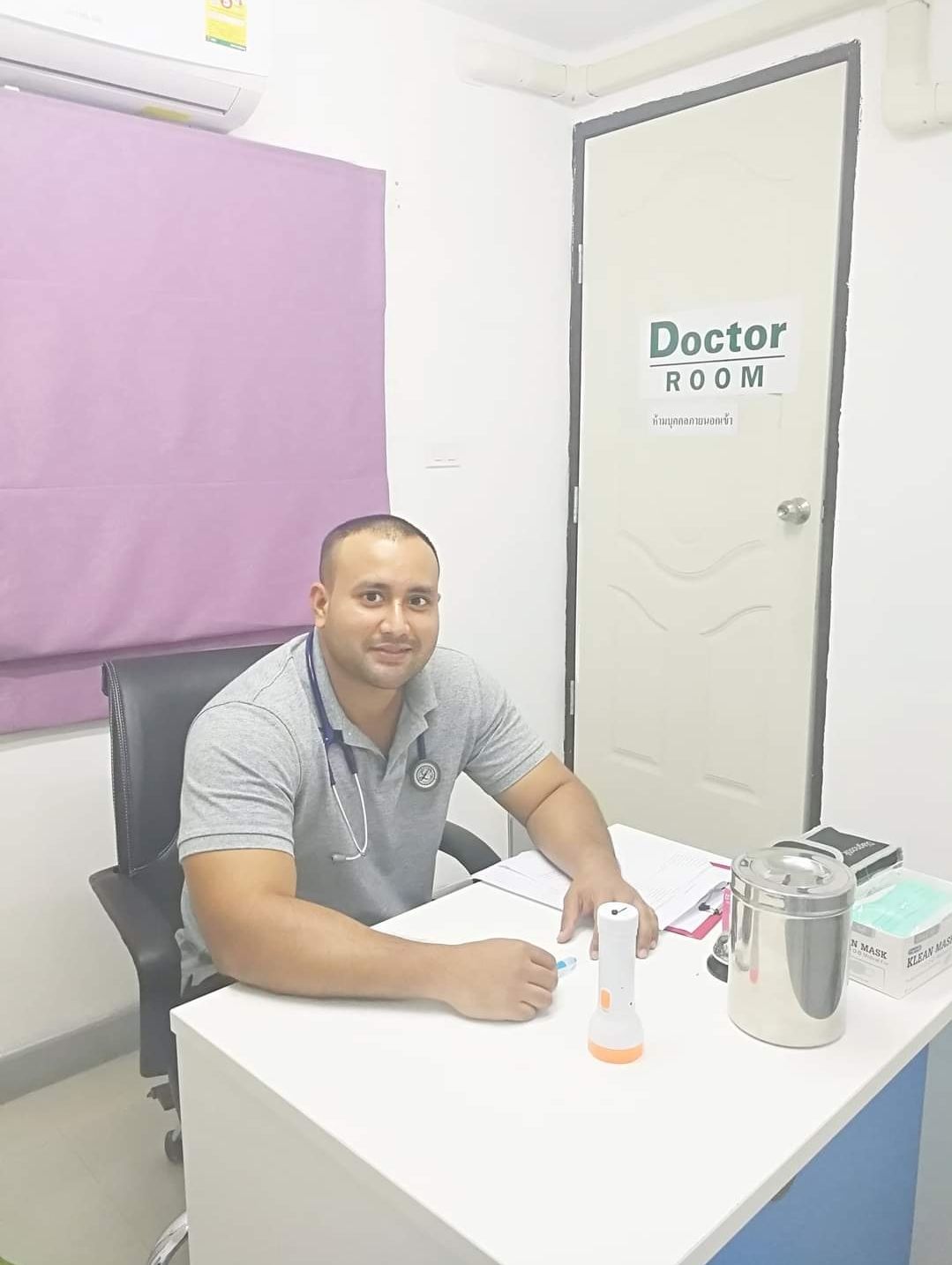
Dr. Ponlawat Pitsuwan is a physician at Doctor Bangkok, a private clinic in central Bangkok. He sees expats, residents, and medical tourists for general medicine, wellness consultations, and IV therapy. His focus is straightforward, evidence-based care delivered in plain language.