
Clinically reviewed by Dr. Ponlawat Pitsuwan, Physician, Doctor Bangkok.
Last reviewed: October 2026
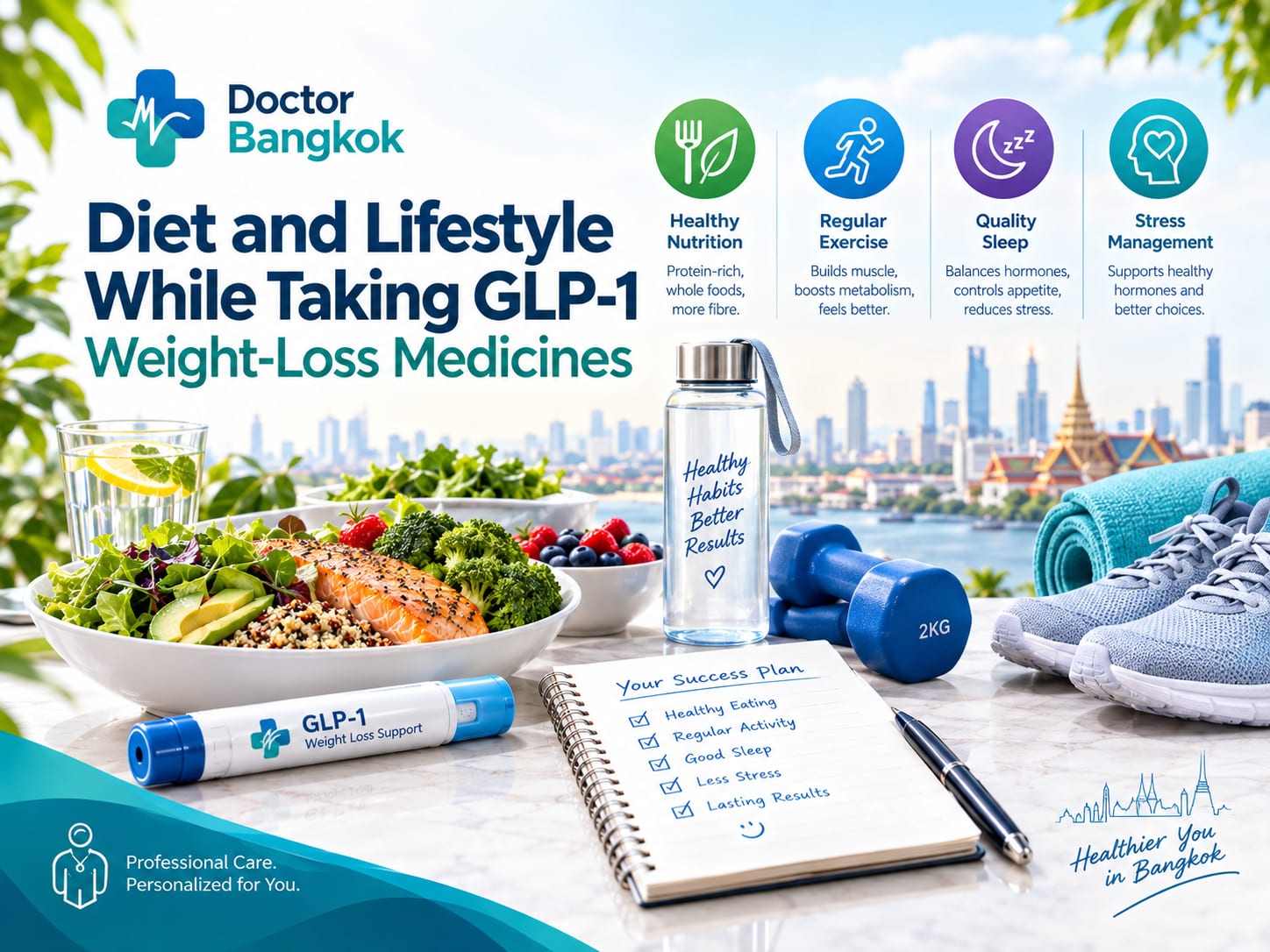
GLP-1 medicines like semaglutide (Ozempic, Wegovy) and tirzepatide (Mounjaro) reduce appetite and slow digestion. That smaller eating window makes food quality more important, not less. Prioritise protein at every meal, stay ahead of hydration, and build resistance exercise into your week. These habits protect your muscle and improve your long-term results.
You are eating less, maybe much less, and the medicine is doing exactly what it should. But eating less is only part of the picture. What you eat in that reduced window determines whether you lose fat alongside muscle, or mostly fat. For expats living in Bangkok, where meals come from hawker stalls, delivery apps, and long restaurant dinners, practical guidance matters more than generic advice about meal prep.
This guide covers what actually works: how to structure eating when your appetite is suppressed, how to protect muscle in Bangkok’s heat, and which habits will hold your results when the medicine eventually changes or stops.
Eating Patterns That Often Feel Easier on GLP-1 Treatment
GLP-1 medicines slow gastric emptying, so food sits in your stomach longer. Large meals become uncomfortable quickly. Most patients find three smaller meals work better than two big ones, and that eating slowly matters more than it ever did before.
Nausea is usually strongest in the first few days after each injection. If your injection day falls on a weekday, plan for lighter meals that day. Save denser meals for a couple of days later when tolerance improves.
Ultra-processed food becomes a bigger problem on these medicines. When you are only eating a small amount, a plate of fried rice or a bag of crisps fills your stomach without delivering much protein, fibre, or micronutrients. Fatigue, hair thinning, and slow recovery from exercise are often the result of poor food quality, not the medicine itself. Every meal is an opportunity you cannot afford to waste when you are eating less overall.
Protein, Hydration, and the GLP-1 Diet in Practice
Protein is the single most important nutrient to protect on a GLP-1 programme. Clinical trials on semaglutide and tirzepatide show that a portion of weight lost can come from lean mass, not just fat. Losing muscle accelerates as you age, and low protein intake is the fastest way to make that worse.
A practical daily target for most adults is 1.2 to 1.6 grams of protein per kilogram of body weight, with at least 20 to 30 grams per meal. If you have kidney disease, confirm your personal target with your prescriber first. Bangkok makes this easier than most cities. Eggs, grilled chicken, tofu, fish, and lean pork are available at almost every food stall and cost very little. A plate of gai yang with a reduced portion of rice is a solid, low-nausea meal that hits your protein target without overloading your stomach.
Hydration deserves more attention here than in any temperate climate. Bangkok’s heat means you lose fluid faster, and appetite suppression also reduces your natural urge to drink. Dark urine, dizziness, and a dull headache are early signs. Drink steadily through the day, not only when you feel thirsty. Water and electrolyte drinks work better than caffeinated drinks or Thai iced tea, which add calories your reduced stomach capacity cannot afford.
Pair carbohydrates with protein and fat at each meal. Plain white rice on its own, or sweet fruit drinks between meals, can cause blood sugar spikes that worsen nausea. Adding protein and fat slows absorption and keeps you more stable. If nausea is preventing you from eating adequately, that is a clinical issue, not just discomfort to push through. The weight-loss injections programme at Doctor Bangkok includes ongoing medical review so your dose and nutrition plan can be adjusted when things are not working.

Eating Well in Bangkok: Street Food, Thai Meals, and Expat Life
Bangkok expats eat out constantly. That is not a problem on a GLP-1 diet. Thai cuisine is well suited to this way of eating. Grilled proteins, clear soups, stir-fried greens, and fish dishes are nutrient-dense and lower in ultra-processed ingredients than most Western fast food.
A few adjustments make a real difference. Reduce white rice portions to roughly half a cup rather than the full serving. Those carbohydrate calories compete directly with protein when your stomach capacity is smaller. Swap to brown rice where it is available. Avoid coconut milk-heavy curries on nausea-prone days; they are rich and dense, which is harder to tolerate when digestion is already slowed.
Thai iced coffee and fruit smoothies from street stalls are high in sugar. That is a large part of your eating capacity spent on liquid with minimal nutritional value. Switch to unsweetened options or water with electrolytes.
Night markets are fine. Moo ping, steamed fish, and som tum without added sugar are practical, portable, and protein-forward. You do not need to avoid Bangkok food culture. You just need to steer it slightly.
Exercise While Appetite Is Lower
Exercise on GLP-1 treatment is not about burning extra calories. It is about protecting your muscle while your body is in a caloric deficit.
Resistance training two to three sessions per week is the most effective tool against lean mass loss. Weights, resistance bands, or bodyweight exercises all count. You do not need long sessions. Even shorter sessions of structured resistance work count toward that goal.
Cardio is fine, but do not rely on it as your only movement. In Bangkok’s heat, outdoor running increases fluid loss significantly. If you exercise outdoors, factor that into your hydration and eat a small protein snack before and after each session, even if your appetite is low. You can use the BMI calculator at Doctor Bangkok as a baseline before starting, then track changes over time to see whether you are losing primarily fat or also losing muscle.
Habits That Support Results After GLP-1 Treatment
GLP-1 medicines work while you take them. Evidence from the STEP 1 trial extension shows that participants regained roughly two-thirds of lost weight within one year of stopping semaglutide. SURMOUNT-1 did not include a withdrawal extension, so comparable long-term regain data for tirzepatide are not yet available from that trial. Appetite returns. Old patterns return. The medicine was suppressing both.
That is not a reason to avoid these medicines. It is a reason to treat the treatment period as a window to build habits that will hold. Protein-first eating, less ultra-processed food, regular resistance exercise, and adequate sleep all affect your results independently of the medicine.
Weight regain after stopping is not inevitable if the lifestyle foundation is in place. But it takes more than good intentions. It takes a structured plan and, for most people, a doctor-supervised programme with regular check-ins. Your cardiovascular risk is also worth tracking during weight loss. The cardiovascular risk calculator at Doctor Bangkok is a useful tool to baseline your risk and see how it shifts as your weight and lifestyle change.
If you are on a supervised programme, regular reviews let your doctor adjust the dose, check your nutrition markers, and catch problems early. Doctor Bangkok’s GLP-1 weight management programme is built around exactly that kind of ongoing support, not just a prescription and a wave goodbye.
When Diet Changes Warrant a Medical Review
Most people on GLP-1 medicines manage well. Knowing when to get medical input is just sensible.
Persistent vomiting that prevents food or fluid intake for more than twenty-four hours is a red flag. Dehydration compounds quickly in Bangkok’s climate when appetite suppression reduces your drive to drink. Signs include dark urine, dizziness, and confusion. These warrant same-day assessment.
Significant fatigue, weakness, or hair loss beyond mild shedding can suggest protein or calorie intake has dropped too low. Blood sugar fluctuations in patients with type 2 diabetes need monitoring when dietary patterns change significantly.
If any of these arise, Doctor Bangkok’s 24-hour doctor-on-call service means you do not have to wait for a clinic appointment. A doctor can come to your hotel or condo within the hour.
Book a GLP-1 review at Doctor Bangkok Doctor Bangkok runs a GLP-1 weight management programme in central Bangkok, open 24 hours a day, seven days a week. If you are starting Ozempic or Mounjaro, already on treatment and struggling with nausea or low protein intake, or want a supervised plan that includes dietary guidance and regular medical check-ins, come in or call for a doctor-on-call visit. We see patients at our clinic on Sukhumvit Soi 13 or at your hotel or condo, anywhere in Bangkok, within one hour.
Frequently Asked Questions
Dr. Ponlawat Pitsuwan
Physician, Doctor Bangkok
a private medical clinic in central Bangkok, open 24/7, with a doctor-on-call service that comes to your hotel or condo within one hour. He sees expats, residents, and medical tourists for weight management, GLP-1 prescriptions and monitoring, and general internal medicine. His focus is straightforward, evidence-based care delivered in plain language.
References
- Wilding JPH, et al. Once-Weekly Semaglutide in Adults with Overweight or Obesity (STEP 1). N Engl J Med 2021;384:989-1002.
- Wilding JPH, et al. Weight regain and cardiometabolic effects after withdrawal of semaglutide: the STEP 1 trial extension. Diabetes Obes Metab 2022;24(8):1553-1564.
- Jastreboff AM, et al. Tirzepatide Once Weekly for the Treatment of Obesity (SURMOUNT-1). N Engl J Med 2022;387:205-216.
- Apovian CM, et al. Pharmacological Management of Obesity: An Endocrine Society Clinical Practice Guideline. J Clin Endocrinol Metab 2015;100(2):342-362.
- WHO. Obesity and overweight: key facts. World Health Organization, 2024.
The information in this article is for educational purposes only and does not constitute medical advice. It should not be used to self-diagnose or replace a consultation with a qualified physician. If you have concerns about your health, contact a licensed medical professional. For appointments at Doctor Bangkok, visit doctorbangkok.co.th.
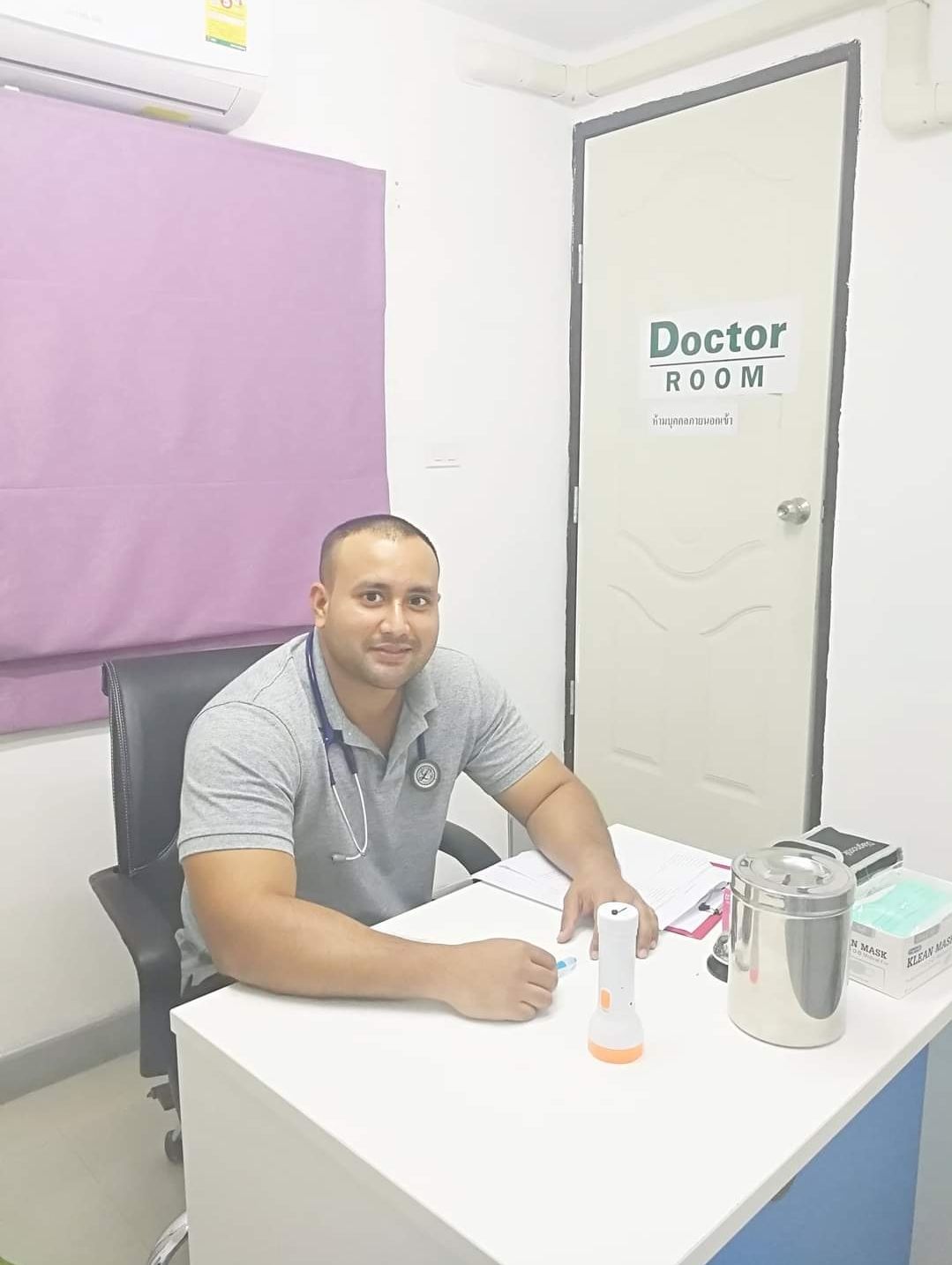
Dr. Ponlawat Pitsuwan is a physician at Doctor Bangkok, a private clinic in central Bangkok. He sees expats, residents, and medical tourists for general medicine, wellness consultations, and IV therapy. His focus is straightforward, evidence-based care delivered in plain language.