


Clinically reviewed by Dr. Ponlawat Pitsuwan, Physician, Doctor Bangkok.
Last reviewed: August 2026
An Ozempic weight loss plateau is normal and does not mean the medication has stopped working. Your body adapts to a lower weight by burning fewer calories, narrowing the gap that drove fat loss in the first place. Most plateaus respond to targeted changes in diet, exercise, or dose, but some need a proper clinical review to move forward.
You have been doing everything right. Weekly injections, smaller portions, less snacking. The first few months went well. Then the scale just stopped. If you are sitting in Bangkok wondering whether Ozempic has stopped working for you, this is one of the most common conversations we have with patients right now.
The medication has not failed you. Your body has adapted, and that is a predictable biological response, not a sign you are doing something wrong. Most plateaus are fixable. You just need to understand what is driving yours before you change anything.

What Is Actually Happening During a Plateau
When you lose weight, your body does not just get smaller. It gets more efficient. It burns fewer calories to do the same work because there is simply less of you to move around. This is one of the main reasons weight loss stalls on any treatment, including Ozempic.
There is also a hormonal piece. As you lose fat, a hunger hormone called ghrelin starts to climb. Appetite signals increase even while the medication suppresses them. The two forces pull against each other and the deficit that was driving your weight loss narrows.
If your diet has not been protein-focused, some of the weight you lost may include lean muscle. Less muscle means fewer calories burned at rest. The body resets its calorie burn lower, and fat loss slows even further.
None of this means your body is broken. It means it is doing exactly what it was designed to do.
When Does the Ozempic Plateau Typically Hit
In practice, I see patients plateau as early as three to four months in, often because of lifestyle factors rather than true metabolic adaptation.
There is a difference between a short stall and a real plateau. If the scale has not moved for two to three weeks, that may resolve on its own. If weight has been flat for six weeks or more despite no change in your habits, that is a plateau worth addressing.
Early plateaus, those before six months, are usually lifestyle-driven: calorie creep, too little protein, not enough movement. Plateaus past the twelve-month mark are more likely to reflect metabolic adaptation or a dose ceiling, and those often need clinical input.

Are Hidden Medical Issues Making It Worse
Before you change your dose or overhaul your diet, it is worth ruling out underlying conditions that quietly blunt weight loss. This is the step most patients skip, and it matters.
Hypothyroidism is the most common one I see. An underactive thyroid slows your metabolism and can completely stall fat loss even on effective medication. Polycystic ovary syndrome, or PCOS, drives insulin resistance that works against what Ozempic is trying to do. Elevated cortisol from chronic stress does the same thing.
Some medications interact badly with weight loss efforts too. Steroids, certain antidepressants, and some blood pressure drugs can all block progress. A blood panel covering thyroid function, fasting glucose, HbA1c, and cortisol will tell you a lot. At Doctor Bangkok, we run this as part of a plateau review so we are not guessing about the cause.
Diet Changes That Actually Restart Progress
The instinct when weight loss stalls is to eat less. That is usually the wrong move. If you drop calories too low, your body slows its metabolism further and you lose muscle. The deficit narrows again and you feel worse.
What tends to work better is shifting what you eat rather than how much. Protein is the priority. It supports muscle preservation, keeps you fuller, and requires more energy to digest. Many patients I see in Bangkok are getting less protein than they think because Thai restaurant meals are built around rice and noodles with relatively small portions of meat or fish.
It also helps to look honestly at what has crept back in. Ozempic reduces appetite strongly in the first few months. As that effect settles, appetite returns and portion sizes tend to drift up gradually. Most patients do not notice it happening. A brief food diary for one week is often enough to find the problem.
Exercise Strategies That Help Break the Plateau
Cardio alone will not solve this. The most useful thing you can add at a plateau is resistance training, lifting weights or doing bodyweight exercises that challenge your muscles. This preserves lean mass, which keeps your resting calorie burn from dropping further.
The other thing worth thinking about is your general daily movement. In Bangkok’s heat, it is very easy to spend most of the day in air-conditioned spaces with minimal activity. You walk from taxi to mall to office. Your daily step count can be surprisingly low without you realising it.
Small changes add up: taking stairs, getting off the BTS one stop early, a short walk after dinner. These are not dramatic, but they add meaningful calories burned across a week.
Bangkok-Specific Things That Catch Expats Out
Bangkok creates some particular challenges for Ozempic users that do not get discussed enough.
Thai food is delicious, but it is carbohydrate-dense by default. Rice comes with almost everything. Sauces often contain sugar. Fruit juices and smoothies are everywhere and go down easily. It is easy to underestimate your calorie intake when eating out every day, which most expats in Bangkok do.
The heat and humidity genuinely affect how much you move. Bangkok in April is not the same as a walk in London in October. If your plateau started during the hot season, lower activity is often a contributing factor.
Storage matters too. Ozempic pens must be kept refrigerated before first use and handled carefully after opening. Leaving a pen in a bag in a warm car or an un-air-conditioned room can degrade the medication. If you are no longer feeling the appetite suppression you used to, and your storage has been inconsistent, that is worth looking at. Only source your medication from a licensed pharmacy or clinic. Counterfeit GLP-1 products exist in Thailand and carry real risks.
Should You Increase Your Dose or Switch Medication
If you are not yet at the maximum Ozempic dose of 2 mg weekly, a dose increase is a reasonable clinical option. But do not adjust this yourself. The timing and the decision of whether a dose increase is right for you specifically needs a doctor involved.
If you are already at 2 mg and have plateaued, the conversation may shift to Wegovy, which is semaglutide at a higher 2.4 mg dose, or to tirzepatide, sold as Mounjaro. Tirzepatide works on two receptors rather than one and the clinical evidence on weight loss is strong. Whether either is appropriate for you depends on your health history and what is accessible in Bangkok at the time of your consultation.
This is not a decision to make based on what someone in a Facebook group is using. It requires a proper clinical review.
What a Plateau Review at a Doctor Looks Like
Going it alone at a plateau usually means cycling through the same lifestyle changes without knowing which one is actually causing the problem. A structured review is more efficient.
At Doctor Bangkok, a plateau consultation covers your current dose and how long you have been on it, a review of your diet and activity patterns, body composition where possible, and targeted blood work to rule out thyroid issues, insulin resistance, and other metabolic factors. We also look at your weight loss trajectory over time, not just the current number on the scale. Sometimes patients have lost significant internal fat even when the scale has slowed.
The goal is a clear reason for the stall and a specific next step, whether that is a lifestyle adjustment, a dose change, or further investigation. You can book through our weight management service and come in with your current pen and dosing history.
Hit a plateau on Ozempic and not sure what to do next? Doctor Bangkok offers plateau review consultations for expats and residents in Bangkok. We run the relevant blood work, assess your current dose, and give you a clear, evidence-based plan to move forward. English-speaking physicians. BTS accessible. Book your weight loss consultation at doctorbangkok.co.th/weight-loss/.
Frequently Asked Questions
How long does an Ozempic weight loss plateau typically last?
That depends on what is causing it. A short stall of two to three weeks often resolves on its own. A true plateau lasting six weeks or more usually needs active intervention, whether that is a diet adjustment, a dose change, or ruling out an underlying condition. There is no single fixed timeline.
Should I increase my Ozempic dose if I have hit a plateau?
It can be the right move, but only with a doctor’s guidance. The maximum weekly dose for Ozempic is 2 mg. If you are already there, a switch to Wegovy or tirzepatide may be worth discussing. This decision needs a clinical review including blood work, not a self-adjustment.
Can living in Bangkok affect my Ozempic results?
Yes, and this comes up regularly in consultations. Bangkok’s heat reduces daily movement, Thai restaurant food is carbohydrate-dense, and medication storage in a tropical climate needs care. These factors combine in ways that are easy to overlook if you are managing your treatment without local clinical support.
Could a medical condition be causing my plateau?
Absolutely. Hypothyroidism, PCOS, and elevated cortisol from chronic stress are the most common ones I see. Certain medications can also block weight loss. A targeted blood panel can rule these out quickly, and that is usually the first thing arranged when a patient presents with a plateau that does not make sense on paper.
Is it normal to stop losing weight on Ozempic even though I am still injecting weekly?
Yes, completely normal. The medication is still working and your appetite is still lower than it would be without it, but your body has adapted to your new weight and reduced its calorie burn. The plateau is not a sign of failure. It is a sign you need a new stimulus, and the right one depends on your specific situation.
Will eating less help me break through a plateau?
Usually not, and it can make things worse. Cutting calories too low causes muscle loss, which drops your metabolic rate further. The better approach is to improve the quality of what you eat, focus on protein, and look honestly at where calories have crept back in since the early months of treatment.
About the author: Dr. Ponlawat Pitsuwan is a physician at Doctor Bangkok, a private medical clinic in central Bangkok. He sees expats, residents, and medical tourists for weight management, GLP-1 therapy review, and general medical consultations. His focus is straightforward, evidence-based care delivered in plain language.
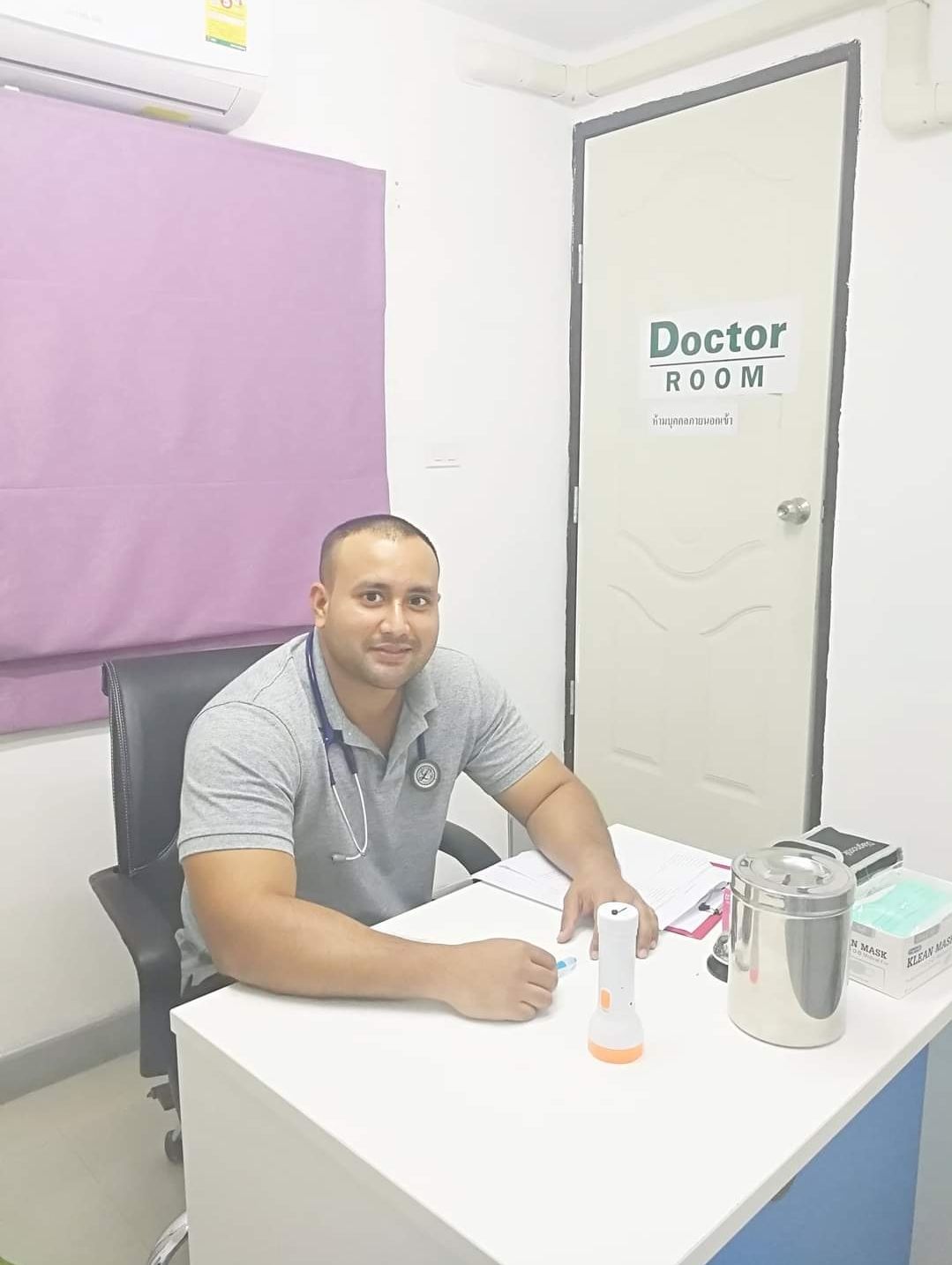
Dr. Ponlawat Pitsuwan is a physician at Doctor Bangkok, a private clinic in central Bangkok. He sees expats, residents, and medical tourists for general medicine, wellness consultations, and IV therapy. His focus is straightforward, evidence-based care delivered in plain language.