


Clinically reviewed by Dr. Ponlawat Pitsuwan, Physician, Doctor Bangkok. Last reviewed: July 2026
Men are significantly more likely than women to skip regular medical check-ups and to dismiss early symptoms until a problem becomes serious. The most common health issues men face — heart disease, type 2 diabetes, low testosterone, erectile dysfunction, and sexually transmitted infections — are all detectable early with basic blood tests and a clinical assessment. In Bangkok, same-day testing is available at private clinics without a referral or appointment.
If you are an expat man in Bangkok and you cannot remember the last time you saw a doctor, you are not unusual. I see this constantly in my clinic. Men who have been here one year, three years, sometimes longer, quietly putting off a check-up because life is busy, because they feel fine, or because healthcare in a foreign country feels complicated. Then something comes up — fatigue that will not shift, a worrying symptom, a health scare — and they come in.
The good news is that most serious health issues men face move slowly. They give you time to catch them. Heart disease, diabetes, high blood pressure, hormonal decline — these build quietly over years before they cause a crisis. That means a single check-up today can genuinely change where you end up at 55 or 60. This article covers what to watch for, when to act, and what to expect if you walk into a clinic in Bangkok.

Why Bangkok Creates Specific Health Risks for Men
The conditions themselves are universal, but Bangkok amplifies several of them. The heat and humidity make dehydration a daily risk that most men underestimate. Your kidneys and cardiovascular system work harder here, even if you feel acclimatised. Add a food environment high in refined carbohydrates, sugar, and sodium, and you have a strong recipe for creeping weight gain, rising blood pressure, and blood sugar problems.
Then there is the social culture. Expat life in Bangkok often involves a lot of alcohol — work drinks, weekend nights out, client entertaining. Alcohol affects your liver, your testosterone levels, your blood pressure, and your mood. Most of my male patients here are not heavy drinkers by their own definition, but their cumulative weekly intake is often higher than they realise.
Many expat men also went years without seeing a GP back home, then arrived here with no medical records and no family doctor. That gap matters. The longer it goes, the harder it is to know what your baseline looks like.
Heart Disease — The One You Cannot Feel Coming
Cardiovascular disease is the leading cause of death in men worldwide, and it is still the condition men are most likely to dismiss until it becomes an emergency. It often gives no warning signs until a heart attack or stroke occurs.
What I look for in male patients: blood pressure, cholesterol and triglycerides, fasting blood sugar, and a resting ECG — a simple, painless heart tracing. Together, these markers give a clear picture of where your heart health stands right now. None of these tests are invasive, and all can be done in a single visit.
The Bangkok-specific angle is stress. High-pressure work, financial uncertainty, disrupted sleep, and the low-grade anxiety that comes with living far from home all add to cardiovascular risk. That is not a reason to panic. It is a reason to know your numbers.

Type 2 Diabetes and Blood Sugar — Quieter Than You Think
Type 2 diabetes often has no symptoms in the early stages. By the time men notice increased thirst, frequent urination, or unexplained fatigue, blood sugar has often been elevated for a long time.
Visceral fat — the fat that sits around your organs rather than under your skin — is a major driver. Men who look reasonably slim can still carry significant visceral fat, especially with a desk job, regular alcohol intake, and a Bangkok diet. I see metabolic syndrome regularly in men in their late 30s and 40s who were not expecting it. That is a combination of high blood sugar, high blood pressure, abnormal cholesterol, and central weight gain.
A fasting glucose test and an HbA1c, which measures your average blood sugar over three months, are quick and inexpensive. If you have not had your blood sugar checked in the last year, get it done.
Low Testosterone — More Common Than Most Men Realise
This is one of the most under-discussed health issues men face, and I talk to patients about it almost every week. Testosterone declines naturally from your mid-30s onward. For some men, it drops faster or lower than it should.
The symptom pattern is easy to miss because it looks like normal life stress: persistent tiredness, lower sex drive, difficulty building or keeping muscle, more belly fat, flatter mood, and poorer concentration. Some men come in convinced they are just overworked. Sometimes that is true. A simple morning blood test measuring total and free testosterone tells you whether your levels are actually low.
What matters clinically is whether your levels are low enough to explain your symptoms and whether treatment would help. That requires a blood test and a proper clinical conversation, not a self-diagnosis quiz online.
Erectile Dysfunction — Not Just a Sexual Health Issue
Erectile dysfunction is one of the most common health issues men face over 40, but most men do not know why it matters beyond the bedroom: it is often one of the earliest warning signs of cardiovascular disease or type 2 diabetes.
The blood vessels that supply the penis are small. They are often the first to show damage when circulation is deteriorating. Leaving a clinic with a prescription and no investigation is, in my view, a missed opportunity. What I recommend is a full assessment — testosterone, fasting glucose, cholesterol, blood pressure. Usually, there is an underlying story worth finding.
ED linked to low testosterone, diabetes, or vascular risk is treatable, and often improves significantly when the root cause is addressed. Do not dismiss it and do not just mask it.
Sexual Health and STI Screening for Men in Bangkok
I get asked at least twice a week whether STI testing in Bangkok is confidential. The answer is yes. Testing at a private clinic is anonymous, and results are not shared with your employer or insurer.
Bangkok’s social environment means many expat men are sexually active, sometimes with multiple partners. STI screening should be part of routine health maintenance, not something saved for when symptoms appear. Many infections — including chlamydia, gonorrhoea, syphilis, and HIV — can be entirely asymptomatic for months.
For men who are HIV-negative and sexually active, PrEP is a daily medication that substantially reduces the risk of HIV infection. If you have had a potential HIV exposure in the last 72 hours, PEP needs to be started urgently. Same-day STI testing, HIV testing, and access to both PrEP and PEP are available at Doctor Bangkok.
Men’s Mental Health — What It Actually Looks Like
Men are less likely to identify depression or anxiety in themselves because it often does not look the way they expect. It is not always sadness. More often it shows up as irritability, emotional flatness, increased alcohol use, pulling away from people, or a persistent sense that things are not right.
Expat life in Bangkok adds layers to this. Many men here are separated from their support networks, and time zone differences make it hard to stay connected to family and friends back home. The culture here can also make it easy to use alcohol, work, or distraction as a pressure valve rather than addressing what is building up.
I am not a mental health specialist, but I am often the first person a male patient talks to about this. The right starting point is usually just saying it out loud to a doctor who will not judge you for it.
Prostate Health — When to Start Paying Attention
Most men do not need to think about prostate screening before 50. If prostate cancer runs in your family, starting at 40 to 45 makes sense. A PSA blood test is simple and can flag early changes worth monitoring over time.
Non-cancerous prostate enlargement is extremely common in men over 50. It causes urinary symptoms: needing to go more often, a weak stream, or waking at night to urinate. These symptoms are worth raising with a doctor rather than accepting as inevitable.
When Should Men in Bangkok See a Doctor? A Simple Age Guide
In your 30s, the basics matter: blood pressure, cholesterol, fasting glucose, liver and kidney function, a full blood count, and STI screening if you are sexually active. If you smoke, drink regularly, or have a family history of heart disease or diabetes, start earlier and test more often.
From your 40s, add a testosterone panel if you have any of the symptoms above. An ECG is worth doing as a baseline at this stage. Annual check-ups become genuinely important.
From 50 onward, add PSA testing, keep up with your cardiovascular markers, and consider a colonoscopy if you have bowel symptoms or a family history. The men who do best as they get older are not the ones who never got sick. They are the ones who stayed ahead of it.
What a Men’s Health Check at Doctor Bangkok Includes
A standard men’s health check at Doctor Bangkok covers blood pressure, full blood count, fasting glucose and HbA1c, lipid profile, liver and kidney function, thyroid, uric acid, ECG, and urinalysis. You can add a testosterone panel, PSA, STI screening, or hepatitis markers depending on your age and history.
The whole visit typically takes under an hour. No referral is needed and no prior medical records are required. Walk-ins are welcome. Our English-speaking doctors will sit with you and explain what your results actually mean — not just hand you a printout.
If you have not had a baseline check since arriving in Bangkok, this is the most useful single thing you can do for your health right now.
Ready to get checked? Doctor Bangkok offers men’s health checks without an appointment. Same-day blood testing, ECG, STI screening, testosterone panels, and consultations with English-speaking physicians are all available. We are in central Bangkok and BTS accessible. Walk-ins are welcome. Visit doctorbangkok.co.th to book or walk in today.
Frequently Asked Questions
What health checks should men get every year in Bangkok?
The core annual panel covers blood pressure, fasting glucose, cholesterol, liver and kidney function, a full blood count, and an ECG. Add PSA testing from age 50, or from 40 to 45 if prostate cancer runs in your family. Add testosterone testing if you have fatigue, low libido, or mood changes. Doctor Bangkok can run all of these in a single same-day visit.
How do I know if I have low testosterone?
The most common signs are persistent tiredness, reduced sex drive, difficulty building muscle, increased belly fat, low mood, and poor focus. These symptoms overlap with stress and overwork, which is why a blood test is the only reliable way to know. A morning blood draw measuring total and free testosterone gives you a clear answer.
Is STI testing in Bangkok confidential for expats?
Yes, completely. Testing at a private clinic like Doctor Bangkok is anonymous, and results are not shared with employers, insurers, or any third party. Same-day results are available for most tests, and our doctors can discuss PrEP for ongoing HIV prevention or PEP if you have had a recent potential exposure.
Can erectile dysfunction be a sign of something more serious?
Often, yes. ED is frequently an early sign of cardiovascular disease, type 2 diabetes, or low testosterone rather than a problem on its own. The blood vessels involved are small and sensitive to circulation changes. A proper assessment with blood tests and a clinical review is worth far more than a prescription alone.
I have not seen a doctor in years. Where do I start as an expat man in Bangkok?
This is very common and nothing to feel embarrassed about. Start with a men’s health check covering your cardiovascular markers, blood sugar, hormones, and STI screening in one visit. No referral, insurance, or prior records are needed at Doctor Bangkok. Walk-ins are welcome and the visit usually takes under an hour.
What is the difference between PrEP and PEP for HIV prevention?
PrEP is a daily medication taken by HIV-negative men to prevent infection before any potential exposure. PEP is an emergency course taken after a possible exposure and must be started within 72 hours. Both are available at Doctor Bangkok, and a doctor can help you decide which applies to your situation.
Dr. Ponlawat Pitsuwan
Physician, Doctor Bangkok
a private medical clinic in central Bangkok. He sees expats, residents, and medical tourists for men’s health assessments, preventive screening, sexual health, and general medical consultations. His focus is straightforward, evidence-based care delivered in plain language.
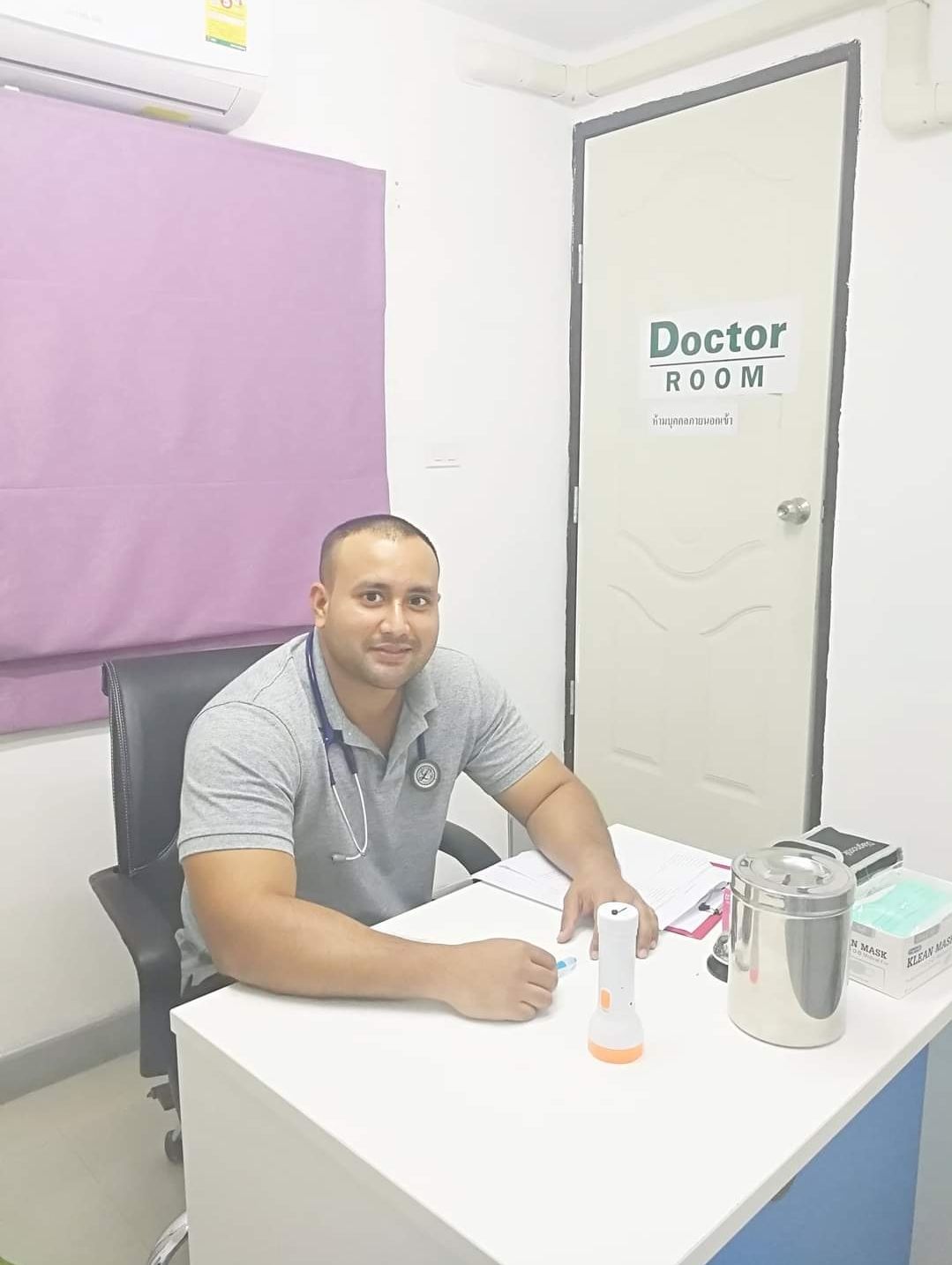
Dr. Ponlawat Pitsuwan is a physician at Doctor Bangkok, a private clinic in central Bangkok. He sees expats, residents, and medical tourists for general medicine, wellness consultations, and IV therapy. His focus is straightforward, evidence-based care delivered in plain language.