


Clinically reviewed by Dr. Ponlawat Pitsuwan, Physician, Doctor Bangkok. Last reviewed: July 2026
Losing weight in Bangkok is genuinely possible, and the city has better medical options than most expats realise. GLP-1 medications like semaglutide and tirzepatide are legally available here with a prescription from an English-speaking doctor. A proper first appointment includes blood tests, a body composition assessment, and a realistic plan. If you have been struggling on your own, medical support may be the difference.
You moved to Bangkok, and something shifted. Maybe it was the pad thai at every corner, the heat that kills any motivation to run, or the fact that your social life now revolves around rooftop bars on Sukhumvit. A lot of expats gain weight here without fully understanding why, and then hit a wall trying to lose it. If that sounds familiar, you are not alone, and you are not failing.
Bangkok is actually one of the better cities in Asia to get proper medical help with weight. Clinics here offer the same prescription medications available in the UK, US, and Australia, often at a lower out-of-pocket cost with no waiting list. This article walks you through what is available, what it costs, what the law says, and what to expect when you walk into a clinic for the first time.

Why Bangkok Expats Gain Weight — and Why It Is Harder to Lose Here
This is something I hear constantly. Someone arrives in Bangkok lean and fit. Eighteen months later, they are up ten kilos and puzzled by it.
The food environment here is genuinely difficult if you are trying to stay lean. Thai cuisine is often high in refined carbohydrates: white rice, noodles, sweet sauces, fruit smoothies loaded with sugar. Eating out is cheap and constant. Cooking at home is the exception, not the rule.
Then there is the heat. Bangkok in April or May is not a city that encourages afternoon runs. Many expats who were active at home become almost entirely sedentary here, particularly those working from home or in air-conditioned offices. Add a social culture built around drinking, and the calorie math adds up fast.
One thing worth knowing: if you are using Western BMI cut-offs to assess your risk, you may be underestimating the problem. Cardiometabolic risk, meaning risk of diabetes and heart disease, starts at lower body weight thresholds for people of Asian ethnicity. A number that feels fine by Western standards may warrant attention here.
Medical vs Non-Medical Weight Loss — Which Route Is Right for You?
Not everyone who wants to lose weight needs medication. But not everyone can get there without it either.
If you have ten kilos or fewer to lose and you have not been struggling for years, lifestyle changes often work well. Better food choices, consistent movement, and cutting alcohol are powerful. The problem is that Bangkok makes all three harder than they sound.
If you have been trying for more than six months without meaningful progress, or your weight is affecting your blood sugar, blood pressure, or cholesterol, a medical assessment makes sense. This is not about giving up on discipline. It is about recognising that weight regulation is partly hormonal, and some bodies need clinical support.
For people with significant insulin resistance, thyroid issues, or other hormonal contributors to weight gain, lifestyle changes alone rarely produce lasting results. A blood panel will show whether any of these are at play. Many expats I see have been blaming themselves for years for something that had a treatable medical cause sitting in their bloodwork the whole time.

Weight Loss Injections in Bangkok — What Is Available, What It Costs, and What the Law Says
The injections getting the most attention right now are GLP-1 receptor agonists. These are prescription medications that reduce hunger and help regulate appetite. The main ones available in Bangkok are semaglutide (Ozempic or Wegovy), tirzepatide (Mounjaro), and liraglutide (Saxenda). They are weekly or daily injections you do yourself at home.
These are not magic. They work best alongside changes to eating and activity. But for many patients, they remove the constant hunger that makes every other approach fail.
You may also see clinics offering lipotropic injections: vitamin and amino-acid-based formulas. The evidence behind these is limited. They are not in the same category as GLP-1 medications, and I would be cautious about clinics that lead with these without discussing the stronger options.
On cost: a monthly supply of GLP-1 medication in Bangkok typically runs between THB 8,000 and THB 20,500 depending on the drug and dose. Your initial consultation and baseline blood tests will add THB 4,000 to THB 12,000. For most expats from the UK, US, or Australia, this is significantly cheaper than out-of-pocket costs at home, with no waiting list. You can find a full breakdown of what weight loss injections cost at our clinic on the Doctor Bangkok travel health page.
Now the legal point, and this matters: all GLP-1 medications are prescription-only under Thai FDA law. You cannot legally buy them online, from a pharmacy without a prescription, or from any source that does not require a proper clinical assessment first. Fake or degraded product is genuinely dangerous, and you have no recourse if something goes wrong. Get a prescription from a licensed doctor. It takes one appointment. There is no shortcut worth taking here.
What Happens at Your First Weight Loss Appointment
A lot of expats have not seen a doctor in years. The idea of a first appointment can feel bigger than it is. Here is exactly what to expect.
Your doctor will take a medical history, ask about your goals, and review any medications you are already taking. You will have your BMI calculated and, at a proper clinic, a body composition analysis. This uses a tool like InBody to measure your actual muscle mass, fat mass, and water distribution. BMI alone misses a lot.
You will have blood drawn. The standard baseline panel covers blood sugar, HbA1c (a three-month average of your blood sugar), thyroid function, cholesterol, and liver enzymes. This is not optional. It tells us whether there is a metabolic reason behind your weight gain, and it confirms you are a safe candidate for medication if that is the route you choose.
From there, you and your doctor discuss realistic goals, medication options if appropriate, and a follow-up schedule. At Doctor Bangkok on Sukhumvit Soi 13, you can walk in without a referral for an initial assessment. The clinic runs weight loss consultations with English-speaking physicians, which removes a barrier that stops a lot of expats from starting at all.
A Note for Short-Stay Visitors and Medical Tourists
I get asked this more than you might expect: "I am only here for three weeks — is it worth starting?"
Yes, in most cases. A full first appointment, blood panel, body composition assessment, and first prescription can all happen within a couple of days. GLP-1 medications are self-administered and easy to travel with. Many patients start their program in Bangkok and continue it with a GP at home, using the documentation from their Bangkok consultation to support the ongoing prescription.
If you have been putting this off because you thought you needed to be settled somewhere to start, you do not. Bangkok is a practical place to begin, and appointments are available quickly at private clinics across the city.
Making Your Weight Loss Program Work Long-Term
Starting a program is the easy part. Sustaining results in Bangkok’s food environment is where most people need a plan.
One thing that often gets missed: GLP-1 medications reduce your overall food intake significantly. That is the point. But it also means getting enough protein becomes harder. Without enough protein and some resistance exercise, some of the weight you lose will come from muscle rather than fat. I tell all my patients on these medications to prioritise protein at every meal and to include resistance training at least three times a week. Bangkok has no shortage of gyms.
On food, you do not need to stop eating Thai food. Grilled proteins over stir-fries, broth-based soups over curries, rice as a side rather than the base of every meal. Small shifts that compound over time.
When medication ends, some patients maintain their results well if lifestyle habits are in place. Others find hunger returns. Coming back in for a review, rather than quietly slipping back to old patterns, is what separates people who sustain results from those who do not. The Doctor Bangkok team can support ongoing reviews alongside your regular GP, wherever you are based.
Ready to start? Doctor Bangkok offers walk-in weight loss consultations at our clinic on Sukhumvit Soi 13, BTS Nana. Our English-speaking physicians run full assessments including blood tests and body composition analysis, and can prescribe GLP-1 medications where clinically appropriate. No referral needed. Visit doctorbangkok.co.th to book or walk in any day of the week.
Frequently Asked Questions
Can I get Ozempic or Mounjaro in Bangkok without a prescription?
No. All GLP-1 medications are prescription-only under Thai FDA law and require an in-person medical assessment before any prescription can be issued. Buying them online or through unregulated sources is both illegal and genuinely risky. One appointment is all it takes to do this properly.
How much do weight loss injections cost in Bangkok compared to back home?
Monthly GLP-1 medication in Bangkok typically runs THB 8,000 to THB 20,500 depending on the drug and dose, with initial consultation and bloodwork adding THB 4,000 to THB 12,000. For most expats from the UK, US, or Australia, this is considerably cheaper than out-of-pocket costs at home, and there is no waiting list.
I am only in Bangkok for a few weeks. Is it worth starting a weight loss program here?
Yes. A full consultation, bloodwork, and first prescription can all happen within a couple of days. GLP-1 medications are easy to travel with, and the documentation from your Bangkok appointment can support a continued prescription with your GP at home.
What tests will the doctor run before prescribing weight loss medication?
Expect a review of your medical history, BMI, and body composition analysis, plus a blood panel covering blood sugar, thyroid, cholesterol, and liver function. This tells us whether there is a metabolic cause behind your weight gain and confirms you are a safe candidate for medication. It is a straightforward appointment.
Why have I been gaining weight since moving to Bangkok even though I was not overweight before?
Bangkok’s food environment is high in refined carbohydrates, eating out is constant, heat discourages exercise, and the social culture often involves regular drinking. These factors stack up quickly. Cardiometabolic risk also starts at lower BMI thresholds than Western guidelines suggest, so the impact can be greater than the number on the scale indicates.
What is the difference between GLP-1 injections and lipotropic injections?
GLP-1 medications like semaglutide and tirzepatide are prescription drugs with strong clinical evidence for meaningful weight loss. Lipotropic injections are vitamin and amino-acid-based formulas with limited supporting evidence. They are not the same category, and if a clinic is pushing the latter without discussing the former, it is worth asking why.
Dr. Ponlawat Pitsuwan
Physician, Doctor Bangkok
a private medical clinic in central Bangkok. He sees expats, residents, and medical tourists for weight management consultations, metabolic assessments, and GLP-1 medication prescriptions. His focus is straightforward, evidence-based care delivered in plain language.
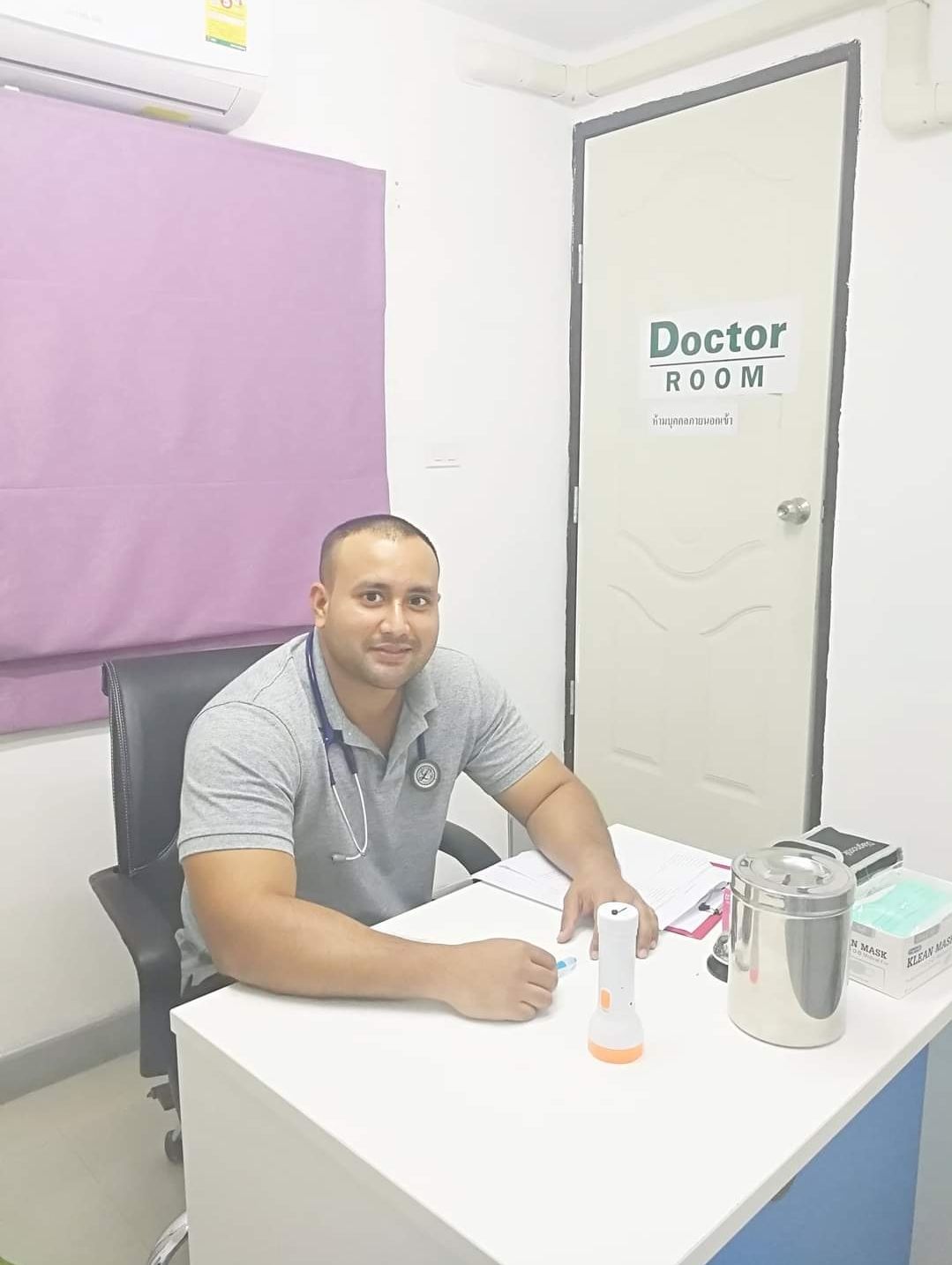
Dr. Ponlawat Pitsuwan is a physician at Doctor Bangkok, a private clinic in central Bangkok. He sees expats, residents, and medical tourists for general medicine, wellness consultations, and IV therapy. His focus is straightforward, evidence-based care delivered in plain language.