

Clinically reviewed by Dr. Ponlawat Pitsuwan, Physician, Doctor Bangkok. Last reviewed: July 2026
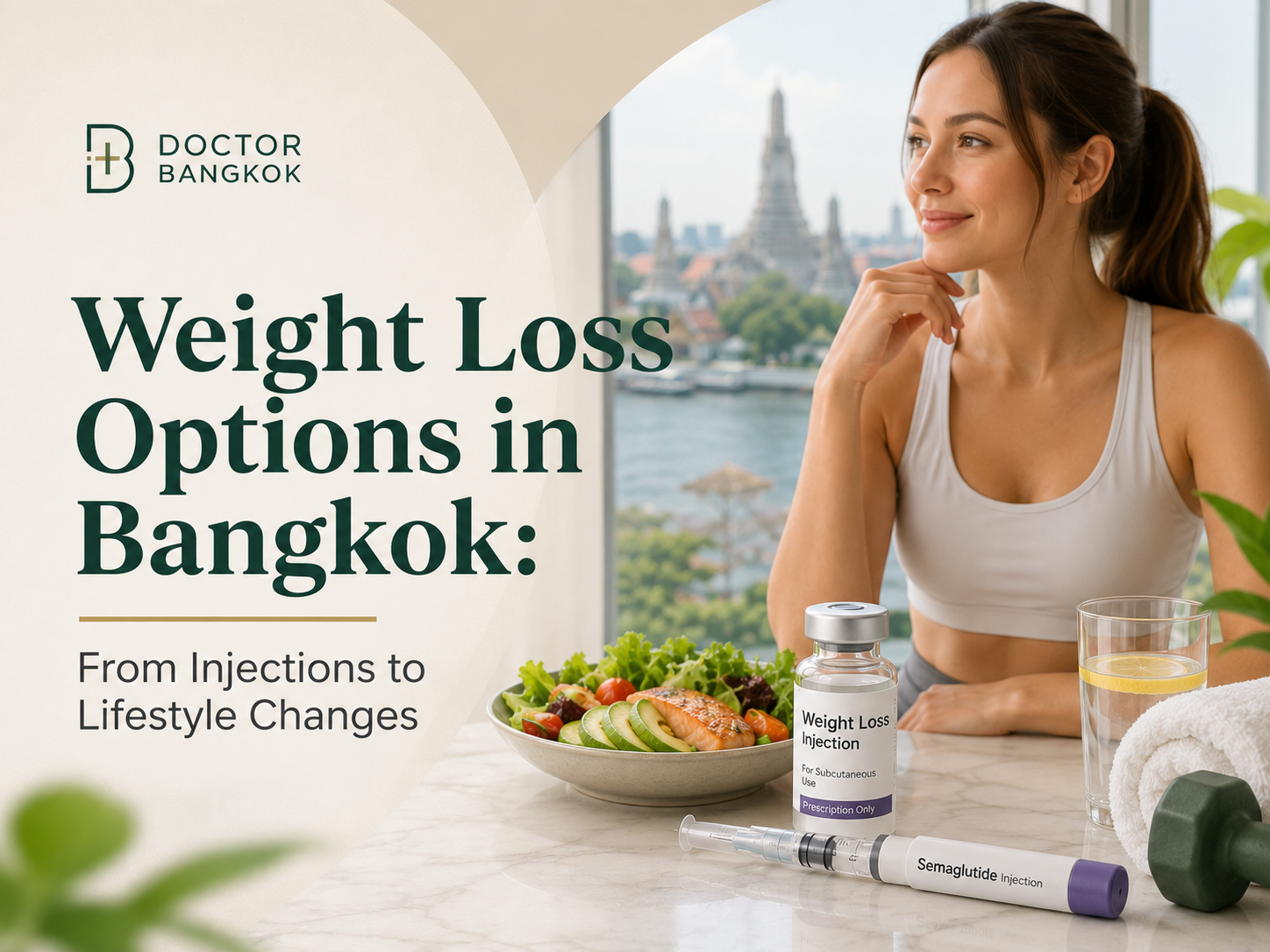
Bangkok has a full range of weight loss options, from doctor-prescribed GLP-1 injections like Ozempic and Mounjaro to structured lifestyle programmes. All weight loss medications in Thailand are prescription-only under Thai FDA law. A licensed doctor must assess you before any medication is started. Same-day consultations in English are available at Doctor Bangkok for expats, residents, and visitors.
A lot of expats come to me after a year or two in Bangkok and say the same thing: "I don’t know what happened. I’ve never had this much trouble with my weight." They’re not imagining it. Bangkok is genuinely hard on weight management, and the usual advice, eat less and move more, doesn’t account for the life you’re actually living here. If that sounds familiar, this guide is for you.
I’ll walk you through every real option available in Bangkok right now. That means lifestyle approaches, prescription medications including the newer injections, and when to consider something more. I’ll also tell you what to watch out for, because not everything being sold in this city is safe or legal.

Why Weight Management Is Harder as an Expat in Bangkok
Bangkok life has some specific traps that nobody warns you about before you arrive. The food culture here is built around eating out, eating often, and eating with other people. Thai cuisine is delicious, but a lot of it, pad thai, mango sticky rice, coconut curries, fried rice, is high in refined carbohydrates and sugar.
Then there’s the heat. Most people arriving from temperate countries find it genuinely stops them exercising outdoors, at least for the first year. Add an alcohol-heavy social calendar, long working hours, and poor sleep from the noise and humidity, and you have a near-perfect environment for weight gain.
The factors that usually help people manage weight at home, walking to work, cooking your own food, consistent sleep, outdoor sport, are all harder here. Recognising that matters before we talk about solutions.
Understanding Your Options
Let me give you a clear map before we go further. Weight loss treatment in Bangkok broadly falls into three categories.
The first is lifestyle intervention: changes to nutrition, physical activity, sleep, and stress. This works for everyone to some degree and is the foundation of any programme. The second is prescription medication, which helps with appetite, blood sugar regulation, or both. The third is surgical treatment for people with significant obesity and related health conditions. Most people I see sit somewhere between the first and second categories.

Body Composition vs BMI — Why the Scale Misleads You
Here’s something a lot of Western expats don’t know. The BMI thresholds used in Europe, the US, and Australia were developed based on Western populations. In Asian populations, elevated blood pressure, insulin resistance, and heart disease risk tend to appear at a lower BMI. The WHO and many Asian health organisations now recognise lower BMI cut-offs for clinical action in Asian and Asian-resident populations.
What this means practically: if you’re a Western expat and your BMI looks normal by Western standards, you may still have a metabolic profile that warrants attention. A body composition analysis, which measures your fat percentage, muscle mass, and key metabolic markers, gives a far more complete picture than weight alone. It’s one of the first things we do at a proper weight assessment, and it often changes what treatment makes sense.
Medical Weight Loss Injections Available in Bangkok
This is where most questions are focused right now, and understandably so. The newer weight loss injections have produced results that older medications never came close to.
GLP-1 Medications — What They Actually Do
GLP-1 receptor agonists, the class that includes semaglutide and liraglutide, work primarily by slowing how quickly your stomach empties. Most patients describe a significant reduction in what they call "food noise": that constant background pull toward snacking and cravings. These medications also improve insulin sensitivity, which matters a great deal if your weight gain is linked to blood sugar issues.
Tirzepatide, the active ingredient in Mounjaro, works on two hormone pathways rather than one. Clinical trials have shown greater average weight loss with tirzepatide compared to semaglutide, though both produce meaningful results. The right choice depends on your health profile, not on which one has had more advertising.
The Medications You’re Likely Asking About
| Medication | Brand Name | Injection Frequency | Notes |
|---|---|---|---|
| Semaglutide | Ozempic | Once weekly | Used off-label for weight loss; also treats type 2 diabetes |
| Semaglutide (higher dose) | Wegovy | Once weekly | Approved specifically for chronic weight management |
| Tirzepatide | Mounjaro | Once weekly | Dual GIP and GLP-1 agonist; strong clinical trial data for weight loss |
| Liraglutide | Saxenda | Once daily | Earlier generation; daily injection; still widely used |
All of these are prescription-only under Thai FDA law. That is not a technicality. A licensed physician must assess your health, review your history, and confirm suitability before any of these can be prescribed. Buying them online, from a gym, or from an unlicensed source is both unsafe and illegal in Thailand.
What About Lipotropic Injections?
You’ll see lipotropic injections advertised at beauty clinics and wellness centres around Bangkok. These typically contain vitamins, amino acids, and compounds like B12. The evidence for meaningful weight loss from lipotropic injections alone is limited. They are not in the same clinical category as GLP-1 medications, and the marketing often overstates what the evidence supports.
Oral Semaglutide
Oral semaglutide is available and does work, though absorption is lower than the injectable form and the required dose is higher. For patients with a strong aversion to injections, it’s worth discussing with your doctor. It is still a prescription medication and requires the same clinical assessment.
Lifestyle Changes That Actually Work in Bangkok
Medication without lifestyle change produces results that don’t last. I tell every patient this from the first appointment, not to discourage them from medication, but because the best outcomes come from combining both.
In Bangkok specifically, a few adjustments are worth naming. Street food doesn’t have to be the enemy. Choosing grilled over fried, broth-based soups over coconut curries, and fresh papaya salad over sticky rice makes a measurable difference over time. Resistance training matters too. If you’re losing weight on a GLP-1 medication but not working your muscles, you risk losing muscle along with fat. That slows your metabolism and makes weight regain more likely when you stop.
Exercise timing in Bangkok is a real consideration. The heat between 10am and 4pm is not manageable for most outdoor activity. Early morning runs, evening gym sessions, or pool swimming are practical options. Bangkok has excellent gym infrastructure, and most good residential buildings have pools.
Sleep is the most underrated factor. Poor sleep raises cortisol and disrupts appetite hormones. If you’re sleeping badly, and many expats are, that alone can undermine everything else you’re doing.
What Happens When You Stop Treatment
Weight regain after stopping GLP-1 medications is well-documented. These drugs suppress appetite while you’re taking them. They don’t permanently change your biology. If the lifestyle foundations aren’t in place when you stop, weight often returns.
This is why the best programmes treat medication as a tool, not a solution in itself. The goal during treatment is to build the habits that hold your weight when the medication ends. A good doctor won’t just prescribe and send you away. They’ll build a plan for how you eventually transition off and monitor your weight and metabolic markers throughout.
Is Weight Loss Treatment Worth Pursuing in Bangkok as a Medical Tourist?
I see this more than I used to. Patients fly into Bangkok specifically because semaglutide and tirzepatide are expensive or unavailable at home. In the US and Australia especially, shortages and high out-of-pocket costs have pushed people to look elsewhere.
Bangkok is a legitimate option. Prices are significantly lower than in Western countries, the medications are genuine and pharmacy-regulated, and English-speaking consultations are readily available. What you need to plan for is follow-up. GLP-1 treatment isn’t a one-appointment situation. Your dose needs adjusting, side effects need monitoring, and blood markers need checking over time.
If you’re visiting for a few weeks, your Bangkok doctor should coordinate with your GP at home so care continues when you leave. At Doctor Bangkok, we provide itemised receipts that work with most international health insurance plans, which helps with reimbursement on both ends.
Getting Started at Doctor Bangkok
If you’re unsure where to begin, a general health consultation is the right first step. We’ll look at your weight history, current health markers, family history, and goals. From there, we can run a body composition analysis, check relevant blood markers including blood glucose and lipid levels, and have an honest conversation about what’s likely to help.
If you’re a candidate for medication, we’ll discuss the options, explain the dosing schedule, and set realistic expectations. If lifestyle intervention is the right starting point, we’ll help you structure that in a way that fits Bangkok life, not a generic plan written for someone living somewhere else. Doctor Bangkok is open 24 hours a day, seven days a week. Walk-ins are welcome and same-day consultations are available.
For expats managing broader health concerns alongside weight, our travel health services and general health checks can be done in the same visit.
Ready to talk through your options? Doctor Bangkok offers same-day English-speaking weight loss consultations, seven days a week, including body composition assessment and prescription medication evaluation where clinically appropriate. Walk in or book online at doctorbangkok.co.th. We’re BTS accessible and open 24 hours.
FAQ
Can I legally get weight loss injections like Ozempic or Mounjaro in Bangkok as a foreigner?
Yes, these medications are legal in Thailand, but they are prescription-only under Thai FDA law. A licensed doctor must assess you first. Buying them online, at a gym, or without a prescription is unsafe and not legal in Thailand. Doctor Bangkok can assess your eligibility the same day, including walk-in appointments.
How do I know whether I need an injection or whether lifestyle changes are enough?
That depends on your BMI, metabolic blood markers, any existing health conditions, and your history with previous weight loss attempts. It’s not something you can work out from a BMI calculator alone. A body composition assessment with a GP is the right starting point, and that’s exactly what we do in an initial consultation at Doctor Bangkok.
What is the difference between Ozempic, Wegovy, Mounjaro, and Saxenda?
Ozempic and Wegovy both contain semaglutide, but Wegovy is the higher-dose version approved specifically for weight loss. Mounjaro contains tirzepatide, which targets two hormone pathways instead of one and has shown stronger average weight loss results in clinical trials. Saxenda contains liraglutide, an earlier medication that requires a daily injection rather than weekly. All require a prescription, and the right one depends on your individual health profile.
I’m only in Bangkok for a few weeks. Can I still start a weight loss programme?
You can start a consultation, get a health assessment, and receive a prescription during a short stay. The important thing to plan for is ongoing monitoring, because GLP-1 medications need dose adjustments over time. Doctor Bangkok can coordinate with your home GP so care continues when you leave, and we provide itemised receipts compatible with most international insurance plans.
What happens to my weight if I stop the injections?
Weight regain is common when GLP-1 medications are stopped without sustainable lifestyle habits already in place. The medication suppresses appetite while you’re taking it, but it doesn’t change your biology permanently. The best programmes use the medication period to build those habits, so stopping is planned and gradual, not abrupt.
Are there any weight loss options in Bangkok that don’t involve injections?
Yes. Oral semaglutide is available as a tablet, though the dose required is higher than the injectable form. Structured lifestyle programmes combining nutrition guidance and exercise are appropriate for many people, particularly those earlier in their weight management journey. For severe obesity with significant health complications, bariatric surgery is available in Bangkok at specialist surgical centres. Your GP can help you decide which starting point fits your situation.
I’ve gained weight since moving to Bangkok. Is that normal?
Very common, and there are specific reasons for it here: the food culture, the heat limiting exercise, social drinking, and disrupted sleep all play a role. It’s not a lack of willpower. It’s a changed environment, and the solution needs to account for that environment. That’s what a Bangkok-specific consultation addresses.
Dr. Ponlawat Pitsuwan
Physician, Doctor Bangkok
a private medical clinic in central Bangkok. He sees expats, residents, and medical tourists for weight management consultations, metabolic health assessments, and prescription medication evaluation including GLP-1 therapies. His focus is straightforward, evidence-based care delivered in plain language.
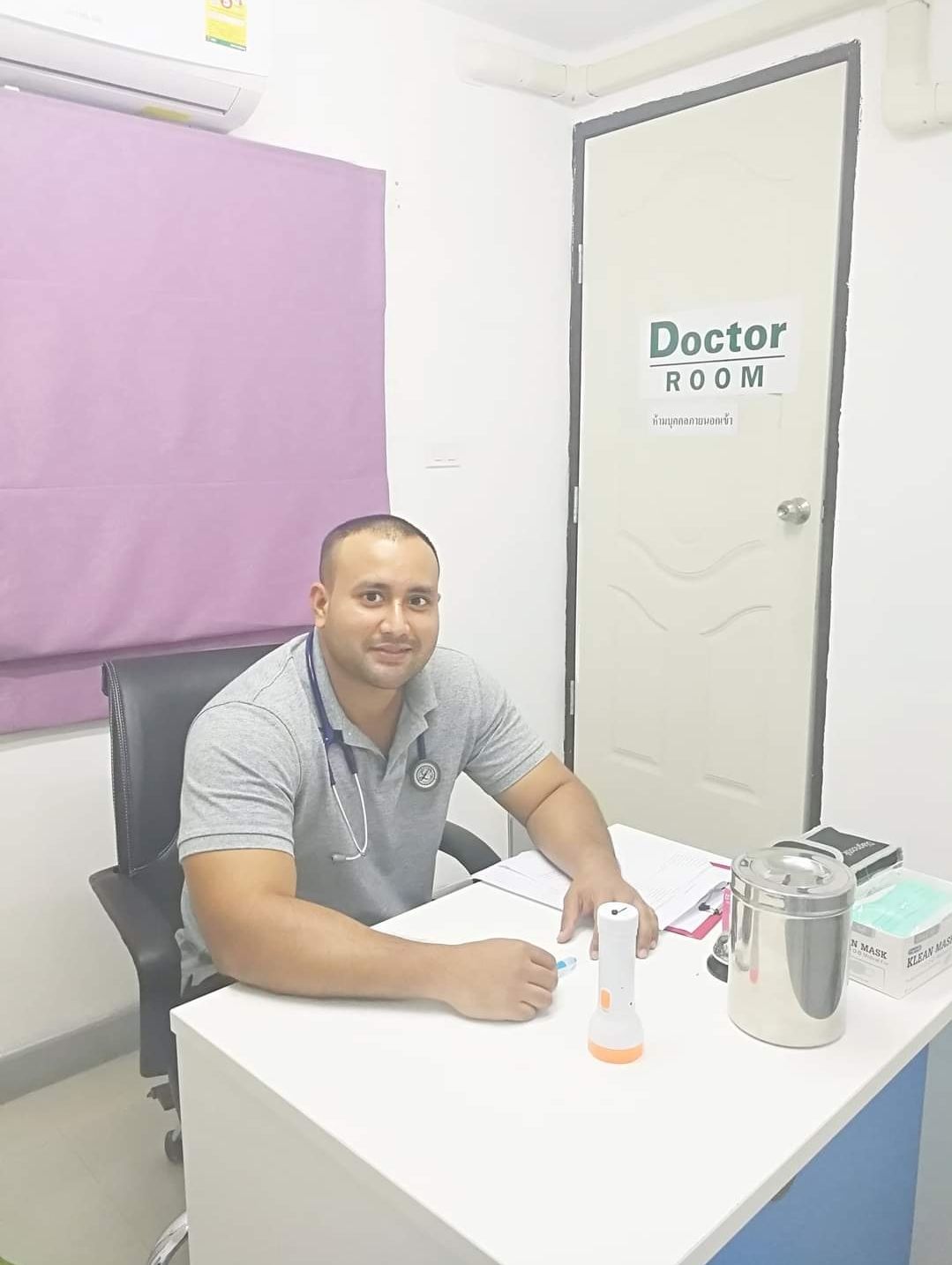
Dr. Ponlawat Pitsuwan is a physician at Doctor Bangkok, a private clinic in central Bangkok. He sees expats, residents, and medical tourists for general medicine, wellness consultations, and IV therapy. His focus is straightforward, evidence-based care delivered in plain language.