

Clinically reviewed by Dr. Ponlawat Pitsuwan, Physician, Doctor Bangkok. Last reviewed: July 2026
Most patients notice appetite changes within one to two weeks of starting a GLP-1 injection. Measurable weight loss usually begins around weeks three to five. By three months, many patients lose five to eight percent of their body weight. At twelve months, clinical trials show average losses of fourteen to sixteen percent depending on the medication used.
If you are searching this at midnight, frustrated that the scale has barely moved after two weeks of injections, I want to be honest with you. The starting dose is not meant to cause weight loss. It is a tolerability phase. Your body is adjusting, not failing. This is the single most important thing I tell new patients, and most clinics do not say it clearly enough.
Weight loss injections work, but they work on a slower curve than most people expect. The question is not whether they will work. The question is what to expect at each stage, and what to do when progress stalls. I will walk you through exactly that, based on what I see with expat patients in Bangkok.

How weight loss injections actually work
These medications, semaglutide and tirzepatide being the main two, mimic a hormone your gut naturally releases after eating. That hormone tells your brain you are full, slows digestion, and steadies your blood sugar. The injection amplifies that signal.
You feel full sooner. You stop thinking about food between meals. Cravings for high-fat or sugary foods reduce noticeably for most patients. This is not willpower. The medication is changing your appetite biology.
Tirzepatide activates a second hormone pathway on top of this, which is partly why it tends to produce stronger results than semaglutide for many patients.
The week-by-week timeline — what to realistically expect
Weeks one to two
At the starting dose, most patients notice mild appetite reduction and possibly some nausea. Do not expect the scale to move much yet. This phase exists so you do not feel terrible. It is not the phase where weight loss happens.
Weeks three to five
The dose begins to increase. Appetite suppression becomes more consistent. Most patients start seeing scale movement here, typically one to two kilograms. This is when the medication starts doing what you came for.
Months two to three
This is where results become visible. Most patients lose five to eight percent of their body weight by the end of month three. Clothes fit differently. Energy often improves. Some patients notice better blood sugar control even before significant weight changes appear on the scale.
Months six to twelve
Clinical trial data puts average weight loss at around fourteen percent for semaglutide and sixteen to twenty percent for tirzepatide at twelve months. These are averages from properly supervised treatment, not inconsistent dosing. Some patients lose more, some less.

Semaglutide vs tirzepatide — which one works faster?
Both work. Tirzepatide generally works faster and produces greater total weight loss. Real-world comparison data shows tirzepatide achieving around eleven percent body weight loss at six months versus approximately nine percent for semaglutide. At twelve months, that gap widens further.
That does not automatically make tirzepatide the right choice for you. Tolerability, cost, your current health profile, and any other medications you take all matter. Both semaglutide and tirzepatide are available at Doctor Bangkok following a standard medical consultation.
Why results vary — factors that affect your timeline
I get asked this constantly. Two patients start the same drug on the same day, and six weeks later one has lost four kilograms and the other has lost one. Here is what is usually behind that gap.
How quickly you can tolerate dose increases matters enormously. Nausea that keeps you at a low dose longer will slow results. Sleep is more important than most people expect, since poor sleep raises cortisol, which drives hunger and fat storage.
Alcohol is a real issue for many expat patients in Bangkok. A social lifestyle with regular drinking adds calories that compete directly with the medication. Some antidepressants and corticosteroids can also reduce how well the medication works. Underlying conditions like PCOS, hypothyroidism, or insulin resistance affect the pace of progress too.
Understanding the plateau — when the scale stops moving
Almost every patient hits a point where the scale stalls. This is not the medication failing. As you lose weight, your resting metabolism adjusts downward to match your smaller size.
What I review when a patient plateaus: protein intake, hydration, sleep quality, injection timing, stress levels, and whether the current dose still fits where they are in treatment. A plateau does not mean stopping. It means we look at what needs adjusting.
Beyond the scale — other changes you may notice early
Reduced food noise is usually the first thing patients describe. That constant background thinking about what to eat next quiets down. Cravings for takeaway food, alcohol, and processed snacks reduce. Many patients notice their clothes fitting differently before the number on the scale drops. That is fat around the organs shifting first.
Some patients also notice improved blood sugar readings within weeks. If you have pre-diabetes or type 2 diabetes, this can be one of the earliest signs the medication is working, well before the scale reflects it.
How to get results faster — what you can control
Protein is the biggest lever you have. Eating enough protein while losing weight helps preserve muscle. Losing muscle slows your metabolism and reduces how good the results look. Aim for at least 1.2 grams of protein per kilogram of body weight daily.
Consistency with your injection day matters more than most patients realise. Missing or delaying doses disrupts the steady hormone level the medication depends on. Sleep seven to eight hours where you can. Bangkok is a high-stimulation city with a full social calendar, and cortisol from stress and poor sleep works directly against what your medication is doing.
Reduce alcohol where you can. This does not mean zero, but it means being realistic. Two strength training sessions a week meaningfully improves body composition beyond what the medication alone achieves.
Getting weight loss injections in Bangkok — what the process looks like
All GLP-1 medications are prescription-only under Thai FDA law. You cannot buy semaglutide or tirzepatide from a pharmacy without a doctor’s prescription. Be cautious of any source offering these without a proper consultation. Product authenticity is a genuine concern in Bangkok.
At Doctor Bangkok, the process starts with a medical consultation covering your health history, current medications, weight history, and goals. We prescribe the appropriate medication, walk you through injection technique, and schedule follow-up to manage dose escalation and side effects. For medical tourists continuing treatment at home, we provide documentation and guidance for your next clinic. You can find full details on our weight loss injections Bangkok page.
If you are an expat living in Bangkok or visiting for treatment, you can book a consultation directly. We regularly see patients from across Southeast Asia for this.
Thinking about starting weight loss injections in Bangkok? Doctor Bangkok offers medically supervised GLP-1 therapy with English-speaking physicians, proper prescription under Thai FDA guidelines, and support through every dose escalation. Both semaglutide and tirzepatide are available. Book your consultation at doctorbangkok.co.th or visit our weight loss injection clinic page to learn more before your appointment.
FAQ
How quickly will I notice appetite changes after my first injection?
Most patients notice some appetite reduction within the first week or two, though the starting dose is intentionally low. Meaningful suppression tends to build over weeks three to six as the dose increases. Some patients on tirzepatide report a faster onset due to its dual hormone action.
Why haven’t I lost weight after two weeks on my injection?
The first two weeks are a tolerability phase, not a weight loss phase. The dose is deliberately low so your body can adjust without significant nausea. Scale movement typically begins around weeks three to five. Stay consistent and let the dose escalation process run its course.
Will I lose weight faster on tirzepatide than semaglutide?
In general, yes. Clinical data consistently shows tirzepatide produces faster and greater weight loss. But the right medication depends on your health profile and tolerability. A proper medical review will determine which is the better fit for you.
Can I get weight loss injections in Bangkok as a visitor or medical tourist?
Yes, but you need a medical consultation first. All GLP-1 medications require a prescription under Thai FDA law. Doctor Bangkok can assess your suitability, prescribe the medication, and provide guidance for self-administration and follow-up when you return home.
My weight loss has slowed down. Has the injection stopped working?
A plateau is a normal part of GLP-1 therapy, not a sign the medication has failed. Your metabolism adapts as you lose weight. A doctor should review your protein intake, sleep, stress, injection consistency, and current dose before any changes are made. Most plateaus respond to one or more of these adjustments.
Are weight loss injections safe to use long term?
Multi-year trial data, including the STEP 5 trial at two years, supports their safety profile under medical supervision. Side effects are most common in the early weeks and typically ease as your body adjusts. Regular follow-up with a doctor is essential for long-term use.
Dr. Ponlawat Pitsuwan
Physician, Doctor Bangkok
a private medical clinic in central Bangkok. He sees expats, residents, and medical tourists for weight management, metabolic health, and general medical care. His focus is straightforward, evidence-based care delivered in plain language.
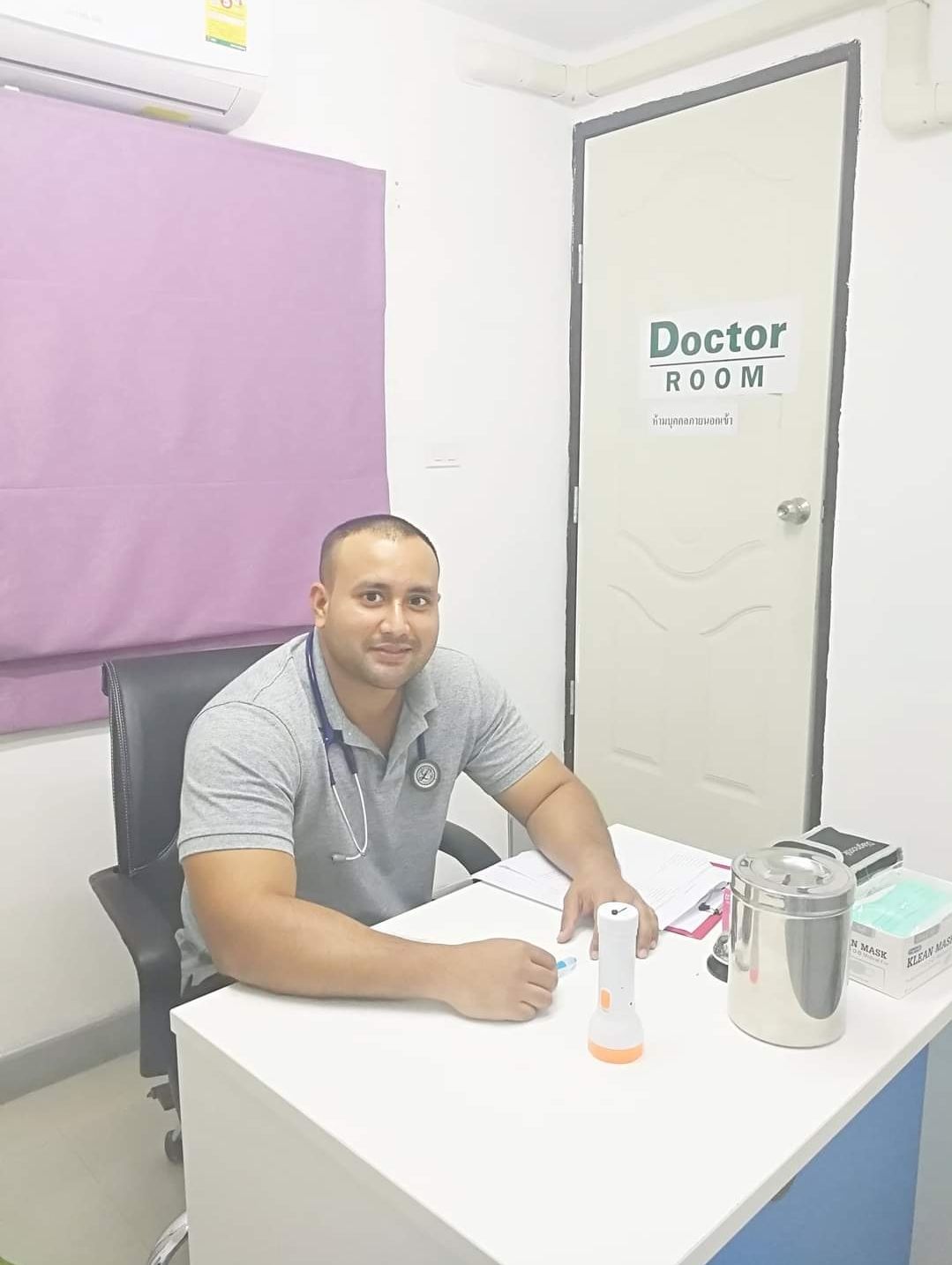
Dr. Ponlawat Pitsuwan is a physician at Doctor Bangkok, a private clinic in central Bangkok. He sees expats, residents, and medical tourists for general medicine, wellness consultations, and IV therapy. His focus is straightforward, evidence-based care delivered in plain language.