

Clinically reviewed by Dr. Ponlawat Pitsuwan, Physician, Doctor Bangkok. Last reviewed: July 2026
HPV is an extremely common virus. Some types cause genital warts, small painless growths on the genital skin, while others are linked to certain cancers. Most infections clear on their own. Warts can be treated, and the HPV vaccine offers strong protection.
Human papillomavirus, or HPV, is so common that most sexually active people will encounter it at some point in their lives. In my Bangkok practice, patients often arrive alarmed after noticing a small bump, or after reading about the link between HPV and cancer. Both concerns are understandable, and both are very manageable with the right information and care.
This guide explains the difference between the wart-causing and cancer-linked types of HPV, what genital warts look like, how they are treated, and how the HPV vaccine can protect you. My goal is to help you understand your risk realistically and know what options are available.
What is HPV?
HPV is a group of very common viruses spread through skin-to-skin sexual contact. There are many different types. Some are considered low-risk and cause genital warts, while others are high-risk and can, over many years, lead to cancers of the cervix, anus, throat, and other areas.
Importantly, most HPV infections cause no symptoms and are cleared naturally by the immune system within a couple of years. Only a minority persist long enough to cause problems, which is why regular screening for those at risk is so valuable.
What do genital warts look like?
Genital warts are caused by low-risk HPV types. They can appear weeks to months after exposure.
Appearance
Warts are usually small, flesh-coloured or slightly darker growths. They may be flat or raised, single or in clusters, and are sometimes described as having a cauliflower-like texture. They can appear on the penis, scrotum, vulva, in or around the vagina and anus, and occasionally in the groin.
Symptoms
Genital warts are usually painless. Some people notice mild itching, discomfort, or occasional bleeding. Because they are often subtle, they may go unnoticed for a while. They are not dangerous in themselves, but they can be bothersome and are a sign of an active HPV infection.
Treatment for genital warts in Bangkok
Genital warts can often be diagnosed simply by examining the area. Several treatment approaches exist, and the right one depends on the number, size, and location of the warts. Options generally include prescription creams applied at home and clinic-based procedures such as freezing (cryotherapy) or other methods to remove the warts. The most suitable approach is chosen at consultation.
Treatment clears the visible warts, but it does not necessarily remove the underlying virus, so warts can sometimes return and need further treatment. This is normal and does not mean anything has gone wrong. We can review your progress and adjust the plan as needed.
The HPV vaccine and prevention
The HPV vaccine is one of the most effective tools we have. It protects against the types that cause most genital warts and most HPV-related cancers. It works best when given before someone becomes sexually active, but many adults can still benefit, and we can advise on whether it is appropriate for you at consultation.
Alongside vaccination, condoms lower the risk of transmission, though they do not cover all skin and so do not offer complete protection. For women, cervical screening remains an important way to detect early changes caused by high-risk HPV before they become serious.
When to see a doctor
See a doctor if you notice any new growths, lumps, or bumps on your genital or anal skin, so they can be properly assessed. It is also worth seeking advice if you would like the HPV vaccine, if you are due for cervical screening, or if you simply want a general sexual-health check. Never try to remove a genital wart yourself with over-the-counter wart products meant for hands or feet, as these can damage delicate skin. You can contact the clinic to arrange a discreet appointment.
Noticed a genital wart or want the HPV vaccine? Our Sukhumvit walk-in clinic offers confidential, non-judgemental assessment, treatment, and vaccination for expats and travellers. Visit our STD testing hub to learn more.
Frequently asked questions
Do genital warts mean I will get cancer?
No. Genital warts are caused by low-risk HPV types that are not the ones linked to cancer. The high-risk cancer-associated types usually cause no visible symptoms, which is why screening and vaccination are the key protections.
Will genital warts go away on their own?
Sometimes they clear as the immune system controls the virus, but this can take time and they may spread or persist. Treatment can clear them faster and is worth discussing, especially if they are bothering you.
Is it too late for me to have the HPV vaccine?
Not necessarily. While the vaccine works best before sexual activity begins, many adults can still gain protection against types they have not yet encountered. We can assess whether it is suitable for you at consultation.
Can I pass HPV to my partner if I have no warts?
Yes, HPV can be passed on even without visible warts. This is very common and not a cause for blame. Vaccination and condoms reduce the risk, and most infections cause no harm.
Is there a test for HPV?
For women, HPV testing is often part of cervical screening. There is no routine general HPV test for men. Genital warts themselves are usually diagnosed by examination rather than a laboratory test.
Dr. Ponlawat Pitsuwan
Physician, Doctor Bangkok
Dr. Ponlawat practises at Doctor Bangkok, a private medical clinic in central Bangkok. He assesses and treats genital warts, advises on HPV vaccination, and helps patients understand their real risk so they can make informed, calm decisions about their health.
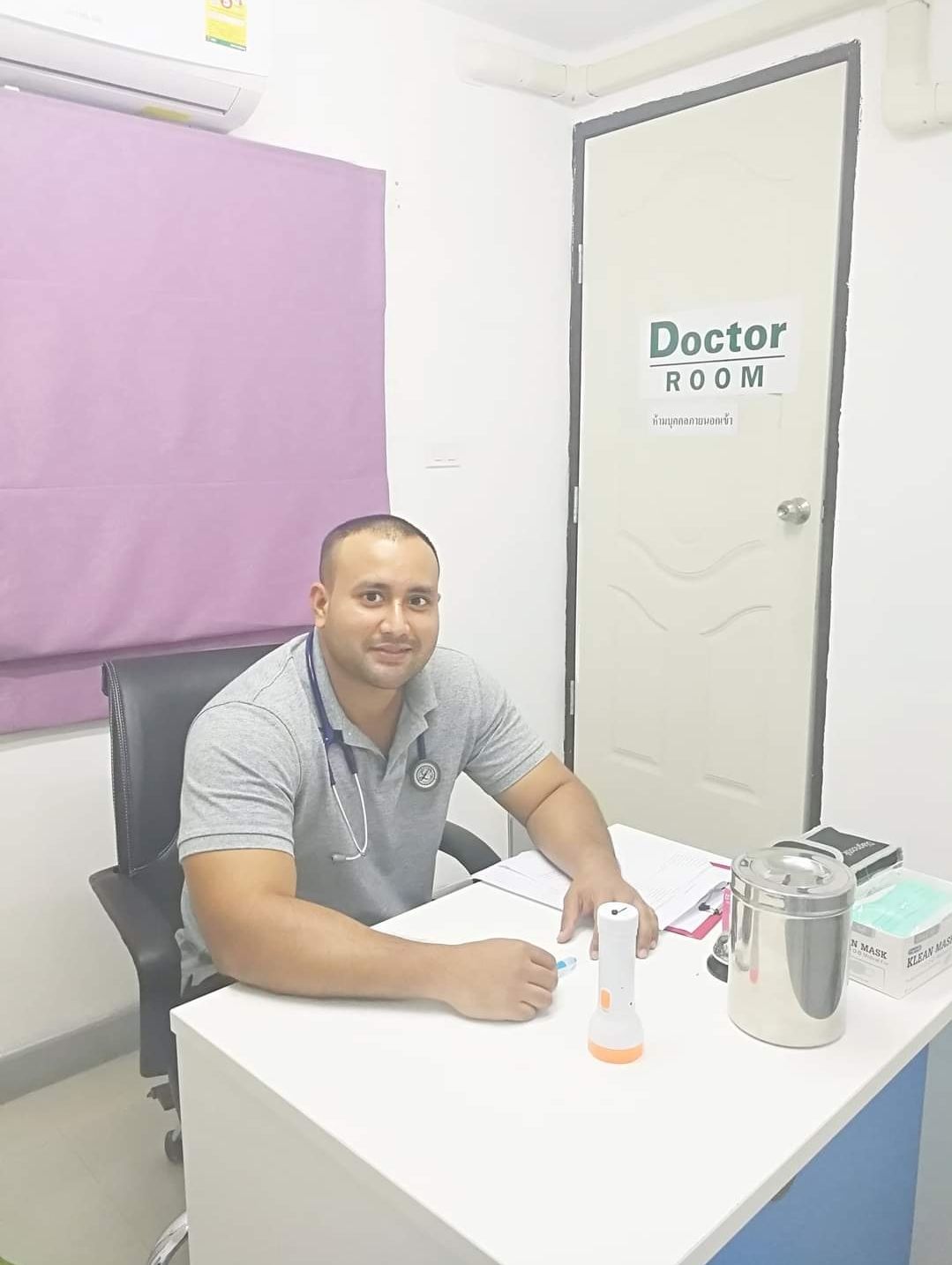
Dr. Ponlawat Pitsuwan is a physician at Doctor Bangkok, a private clinic in central Bangkok. He sees expats, residents, and medical tourists for general medicine, wellness consultations, and IV therapy. His focus is straightforward, evidence-based care delivered in plain language.