

Clinically reviewed by Dr. Ponlawat Pitsuwan, Physician, Doctor Bangkok. Last reviewed: July 2026
Syphilis progresses through stages. It often begins with a single painless sore, then a body rash weeks later, followed by a symptom-free latent period and, if untreated, serious late complications. A simple blood test diagnoses it, and it is curable with antibiotics.
Syphilis has a reputation as an old-fashioned disease, but as a physician in Bangkok I can tell you it is very much a current one. Cases have been rising in many parts of the world, and I test for it regularly. What makes syphilis tricky is that it moves through distinct stages, and the early signs are so mild or painless that they are easily ignored.
Understanding these stages helps you recognise when something is wrong and, just as importantly, why testing matters even when you feel completely well. The good news is that syphilis is straightforward to diagnose with a blood test and curable with antibiotics, especially when caught early.
What causes syphilis?
Syphilis is caused by a bacterium called Treponema pallidum. It spreads through direct contact with a syphilis sore during vaginal, anal, or oral sex. It can also pass from a pregnant woman to her baby. Because the early sore is often painless and hidden, many people transmit the infection without realising they have it.
Primary syphilis: the chancre
The first stage usually appears a few weeks after exposure as a single sore, called a chancre, at the site where the bacteria entered the body. This may be on the genitals, anus, or mouth.
Why it is easy to miss
The chancre is typically firm, round, and painless, and it heals on its own within a few weeks whether or not you are treated. Because it does not hurt and disappears by itself, people often assume the problem has gone away. In reality the infection is still present and progressing.
Secondary syphilis: the rash stage
Weeks to a few months after the chancre heals, secondary syphilis can develop. This stage tends to affect the whole body.
Rash and other signs
A common feature is a rash that may appear on the trunk and, distinctively, on the palms of the hands and soles of the feet. It is usually not itchy. Other signs can include swollen lymph nodes, fever, sore throat, patchy hair loss, and a general feeling of being unwell. These symptoms also fade on their own, which again can create a false sense of recovery.
Latent and late syphilis
After the secondary stage, syphilis enters a latent phase with no symptoms at all. This can last for years, and the infection can only be detected by a blood test during this time.
In a proportion of people who are never treated, the infection eventually causes late syphilis, which can seriously damage the heart, brain, nerves, and other organs. Some of this damage can be permanent. This is why syphilis should never be left untreated, and why testing during the symptom-free stages is so valuable.
How syphilis is diagnosed and treated
Syphilis is usually diagnosed with a simple blood test, which we often include in a broader STD testing panel. If a sore is present, it can sometimes be tested directly. Because syphilis increases the risk of other infections, we may also recommend HIV testing at the same time.
Syphilis is treated with antibiotics, most commonly penicillin, with the exact regimen chosen at consultation based on the stage of infection and any allergies. Early syphilis is generally easier to cure than late-stage disease. After treatment, follow-up blood tests confirm the infection has responded, and recent partners should be tested and treated as well.
When to see a doctor or get tested
See a doctor if you notice any unexplained sore around the genitals, anus, or mouth, or a rash on your palms or soles, particularly after a new sexual contact. Because the early signs can vanish on their own, do not wait to see if things settle. You should also consider testing even without symptoms if you have had unprotected sex with a new partner or a partner has been diagnosed with an STD. If you are unsure whether you need testing, our team can advise you, or you can contact the clinic directly.
Concerned about syphilis or another STD? Our Sukhumvit walk-in clinic offers confidential, non-judgemental blood testing and treatment for expats and travellers. Visit our STD testing hub to learn more.
Frequently asked questions
Is syphilis curable?
Yes. Syphilis is curable with antibiotics. Early treatment is simpler and can prevent long-term complications, which is why prompt testing matters.
How long after exposure does syphilis show up on a test?
Blood tests generally become reliable a few weeks after exposure. If you test very early, a repeat test may be advised. We can guide you on timing at consultation.
Does the painless sore mean it is not serious?
No. The chancre being painless and healing on its own is exactly why syphilis is dangerous. The infection continues even after the sore disappears, so it still needs treatment.
Can I have syphilis with no symptoms?
Yes. During the latent stage syphilis causes no symptoms and can only be found through a blood test. This is why routine testing is recommended if you have had a possible exposure.
Should my partner be tested too?
Yes. Recent partners should be tested and, if needed, treated, even if they have no symptoms. We can advise on how to handle this discreetly.
Dr. Ponlawat Pitsuwan
Physician, Doctor Bangkok
Dr. Ponlawat practises at Doctor Bangkok, a private medical clinic in central Bangkok. He regularly diagnoses and treats syphilis and other STDs for the international community, and is a firm believer that understanding the stages of an infection helps people seek care before complications arise.
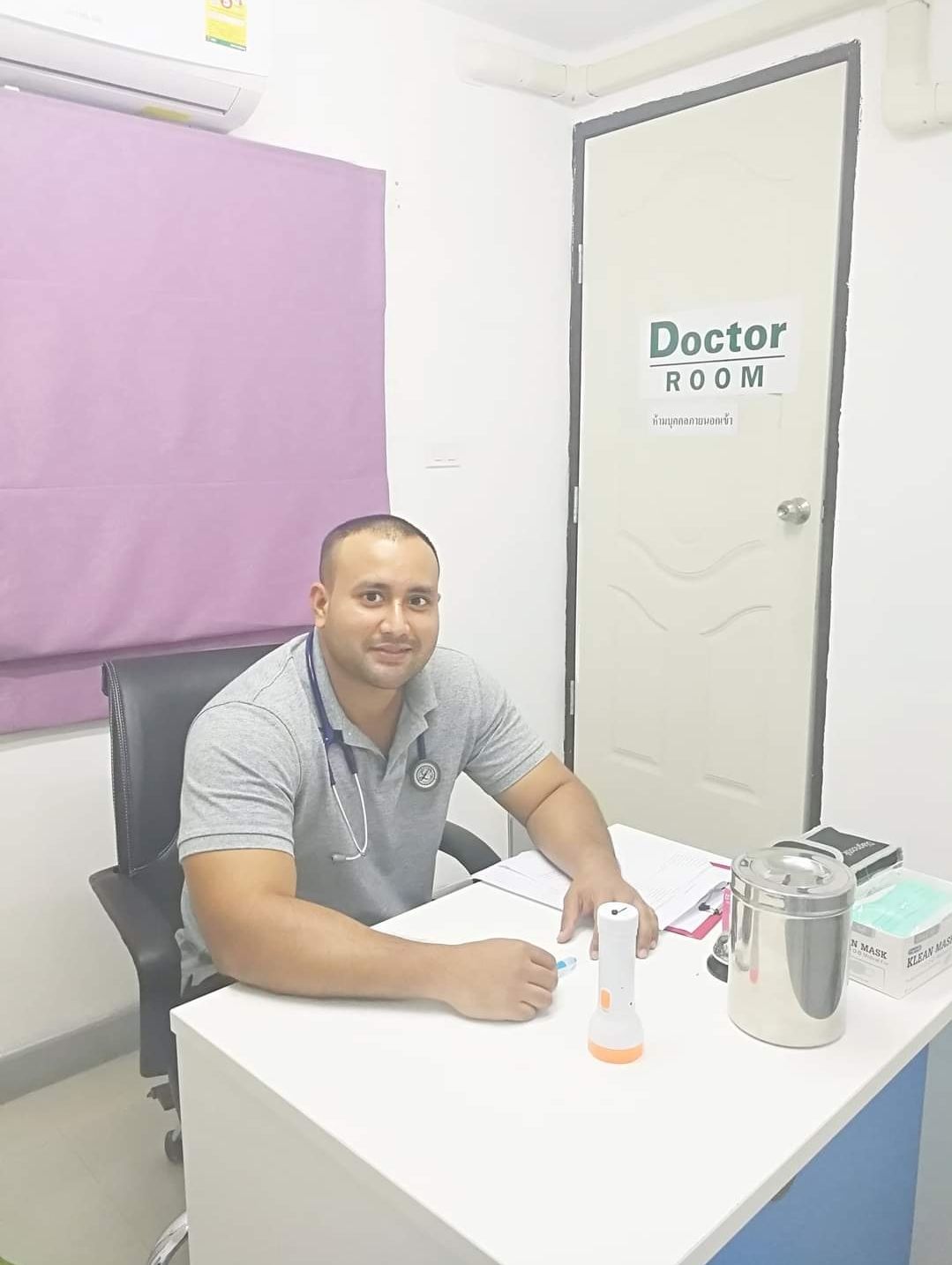
Dr. Ponlawat Pitsuwan is a physician at Doctor Bangkok, a private clinic in central Bangkok. He sees expats, residents, and medical tourists for general medicine, wellness consultations, and IV therapy. His focus is straightforward, evidence-based care delivered in plain language.